
New Barrel. Do You Need New Brass?
By
Nick Schnur
So, the shooting season is almost here, and it’s time to start thinking about our course of action for all the matches ahead. What changes do you want to make? What new gear do you need? And what really does need replaced? Odds are, you monitor your round count on your barrel very closely and if you timed it right, it’s time to have a new barrel spun up to start fresh for the 2026 season. With a new barrel comes new load development and testing. Does this mean that we need new brass to start with?
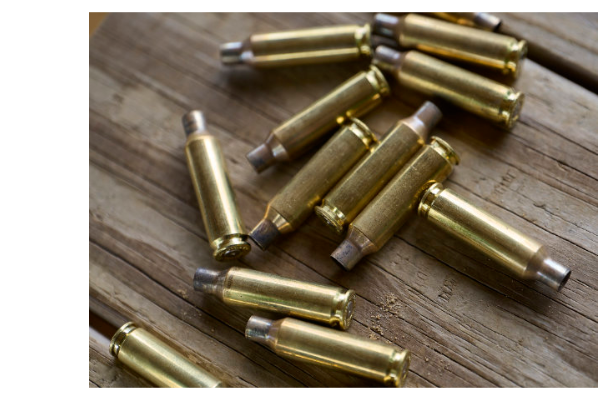
The short answer is no. Many shooters buy all new brass each season or with each new barrel. In a lot of cases, the old brass is still good to run, and, if you bought quality brass, it still has plenty of life left in it. Let me break it down some to illustrate my point. For the shooters that buy a thousand pieces or more per season, the big question is, how many matches did you shoot, and how many firings are on that batch of brass that you have been running? Let’s look at the math.
You’re going to use 200 to 250 pieces of brass for a PRS Pro Series match. That means a thousand pieces of brass can last you up to four Pro Series matches. If a shooter competes in eight or ten matches a season, that ends up being between two to three firings. Let’s throw in regional one day matches that average about 100 rounds for each match. You shoot eight of those so we can add in another firing. So, for the season we’ve landed on three or four total firings, maybe five at the most. At five firings, there is still life left in that brass so long as you were using proper sizing techniques all season as you processed your brass. If you did not overwork the brass, you should be able to go much further with it.
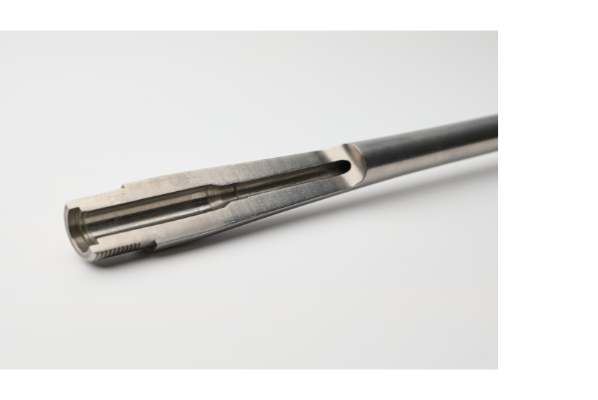
 Next, we land on your rifle. What was the gun chambered to for head space? Most shooters that I know run their chambers to go gauge plus .001 or .002. Choosing the right gunsmith is important. This is the person who is going to chamber your new barrel. Can they replicate the old chamber, or at least get close? If so, your normal process of sizing will ensure that the old brass will fit the new chamber without issue. Most of us fire our virgin brass and then resize it back .002 to ensure good, reliable feeding and chambering in the rifle. In theory, if your new barrel has the same head space as your previous barrel, the brass will run fine in the new barrel. You may be required to size the brass a little more if the fit is too tight, but once that is done, you are good to run your standard load work up as usual and continue to run your current batch of brass instead of buying new every time.
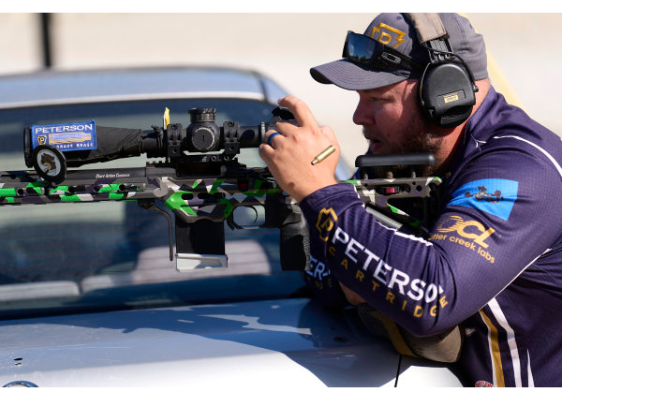
Now, I know I will get some people that say fresh is best when you have a new barrel spun up. But let’s face it, this sport in any capacity is expensive. If you can save money without sacrificing performance, you are much better off. That added savings can go towards other components or to get you on the range more often.
In conclusion, if your old Peterson brass has a few firings on it, and you have had a new barrel spun up, keep that brass and continue to run it. This could be the savings that get you to one more match this season. Money saved over a little extra work is time well spent. Make sure the brass fits your chamber, run your normal load work up, and off to the races. Don’t ever let anyone tell you that playing the long game with your brass is a bad thing. Playing that game means more money for the one-time-use components like bullets, powder, or primers. Buying more of those and saving your brass from a previous barrel equals more rounds down range and more time doing what you enjoy.
Long Live Quality Brass.
By entering this website, you certify that you are 18 years of age or older.