
Isaac’s Precision Rifle Build and Gear Loadout
Story by: Nick Schnur, Peterson Cartridge Customer Support Specialist
A few years back, my son decided that he wanted to start shooting precision rifle with Dad. Proud Dad moment is an understatement. I know many shooters out there who hope their kids will develop the same passion for the sport we all know and love. Isaac was eight years old when he first started shooting matches, and we were sharing my rifle for the most part. He started by shooting KYL and prone steel matches at one of our local ranges. His second year out, he won the junior championship, and he was officially hooked. Then comes PRS competition. Isaac decided he liked PRS-style shooting much better than stationary shooting matches and told me he wanted to give it a try. Now, obviously, at 10 years old, moving a rifle would be a challenge, so we decided to run this as a team. I would move his rifle safely, and he would do all the shooting. This worked out awesome, and he took to it so well that I was confident that he had found his sport.
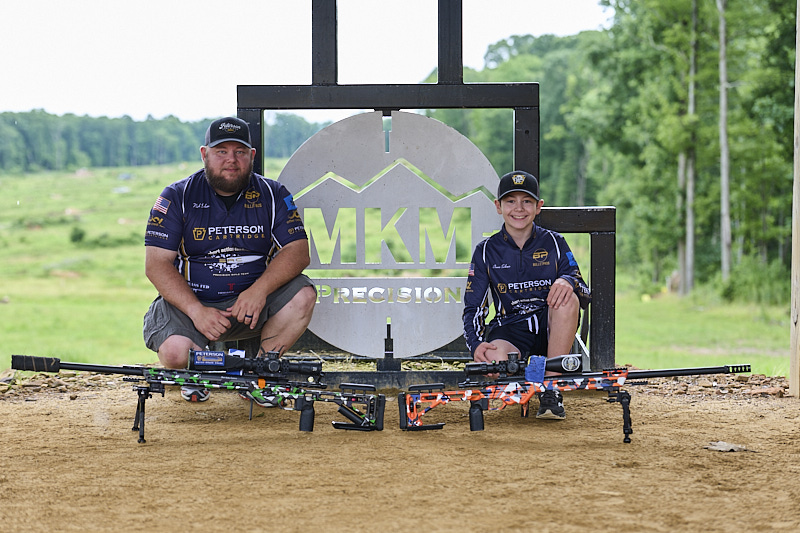
Fast forward to the beginning of last season. It was time that we put together a rifle for him. I called Alan from Short Action Customs, who has been building my rifles for quite some time now, and told him what we wanted to do. I left all the details up to them. For his first year of shooting mostly on his own, his combination was geared towards a junior shooter as much as we could make it without sacrificing performance. His first build is as follows:
Action – Defiance Machine Deviant Alpha 11
Chassis – Masterpiece arms BA Comp with the youth buttstock
Barrel – Bartlein 6mm 1:7.5 twist MTU contour finished at 26”
Caliber – 6x47
Trigger- Trigger Tech Diamond
Optics -Kahles K624i
This setup worked perfectly for that first season in the PRS and allowed him to get out and compete with a rig that matched the competition. While he still needed some help moving it safely, it got him started, which was the most important thing. Having his own setup was a big confidence boost for him, and he wasn’t burning up Dad’s barrel anymore, which was another big plus.
Moving on from that first season shooting PRS, we ran the second season with the same setup. He began moving his equipment on his own at 11 years old and managing all his gear and data at matches, along with loading all his own ammo from start to finish. This was the season where he made the most progress. Around the tail end of that season, we decided that his equipment was up for an overhaul. We were now looking for things to help him with spotting his own shots and making the rifle more stable on props with a cartridge that was both easy to load for and even easier to shoot.
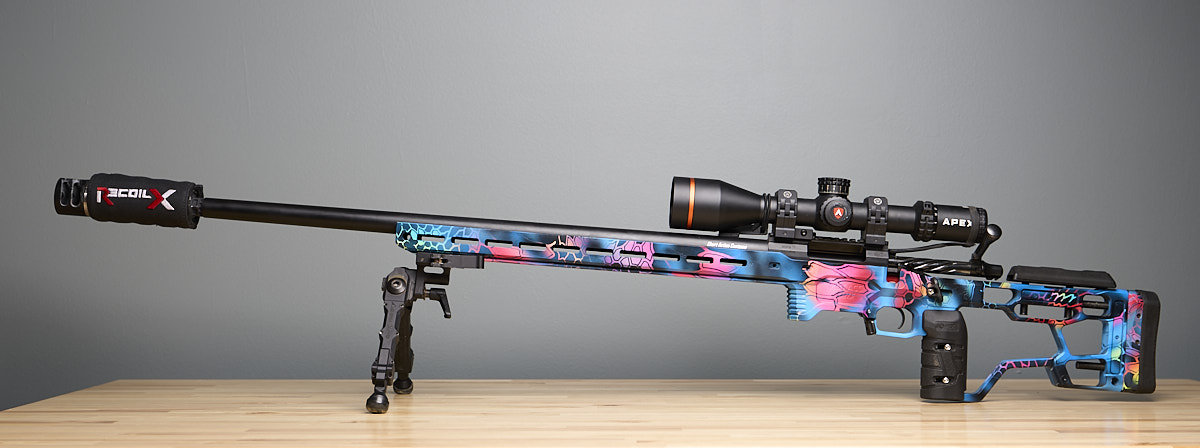
This brings us to his current setup. We set out to build him a serious, competitive system that was based on his current action. Our first order of business was to decide on the cartridge that would check all the boxes that we had. We needed something that was easy to load for and not temperamental to changes in atmospherics or changes in his barrel. Something with very soft recoil but still offered the speeds to go the distance and fight the wind. Enter the 6mm Dasher. This thing seemed purpose-built for Isaac. It checked every box that we had, so we decided to run with it over keeping the 6x47. Our main goal was to mitigate as much recoil as possible and make shooting higher volumes more affordable by burning less powder.
6 Dasher
We went with the Dasher for all the reasons above, not to mention that it is one of the most popular PRS calibers out there today. Its soft shooting and amazing efficiency make it a great choice for anyone wanting to play the game on a high level. It is very easy to feed and seems to like just about anything you feed it. From the start, we went with 31.0 grains of Varget under the new 105 Sierra MatchKing bullet and a CCI BR4 primer. This combination consistently produced groups in the sub ¼ MOA range and maintained SD’s in the 1’s and 2’s over 10 shots. Easy is an understatement. We are jumping the bullets .065 to the lands and running them at 2800 feet per second. When I asked him if he wanted to speed that up at all, he said, “I think it’ll be just fine right there.” After shooting a group at 600 yards that measured well sub half MOA.
MDT ACC Elite Chassis
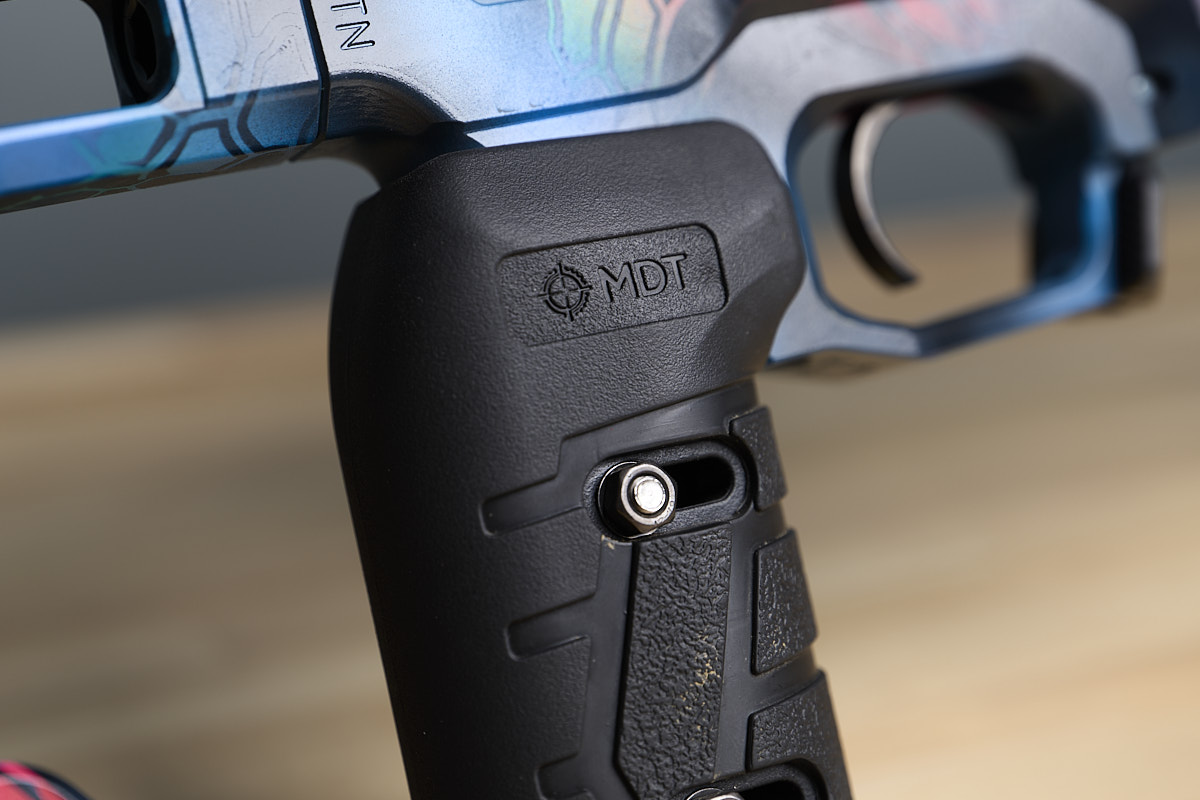
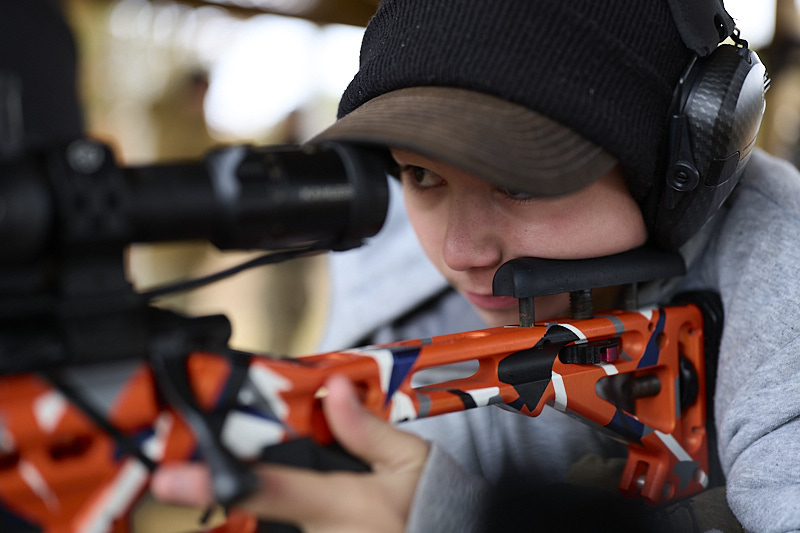
This season, we decided to make a change to the MDT ACC Elite chassis system for his new build. Isaac had his pick whether to stay with his old setup or make a change this season to something more his speed. The ACC Elite offers everything he was looking for. The longer fore end with a full ARCA rail that is integrated into the fore end allows a much bigger area for bipod placement over the old chassis system. He is also a huge fan of the ergonomics of the chassis itself. He says that the ACC Elite just “feels right” when it's on his shoulder. It is extremely stable and balances well. You can also add internal or external weights to it to help with the balance and mitigate recoil if needed. This chassis was built with the serious competitor in mind, and it shows on the range as one of the most popular chassis systems in use in competition today. It has been a seamless switch for him and one that he is glad he made.
Defiance Deviant Alpha 11
The Defiance Deviant Alpha 11 action is the Short Action Customs variant of the standard Deviant action. Isaac has been running this action for 3 years now, and to put it simply, it leaves nothing to be desired. It is a Remington 700 pattern action, which means it will fit any chassis or stock option for a 700 short action pattern. The Alpha 11 variant has a tighter modified raceway to mitigate binding and promote smooth operation even when dirty. The action also has an integrated 20moa scope base machined into the receiver, so you don’t need to worry about aftermarket bases, misaligned holes, or inaccurate optics mounting. The Deviant Alpha 11 has been a stellar action for both of us over the years, and this is one piece of equipment that we can both agree that never needs upgrading.
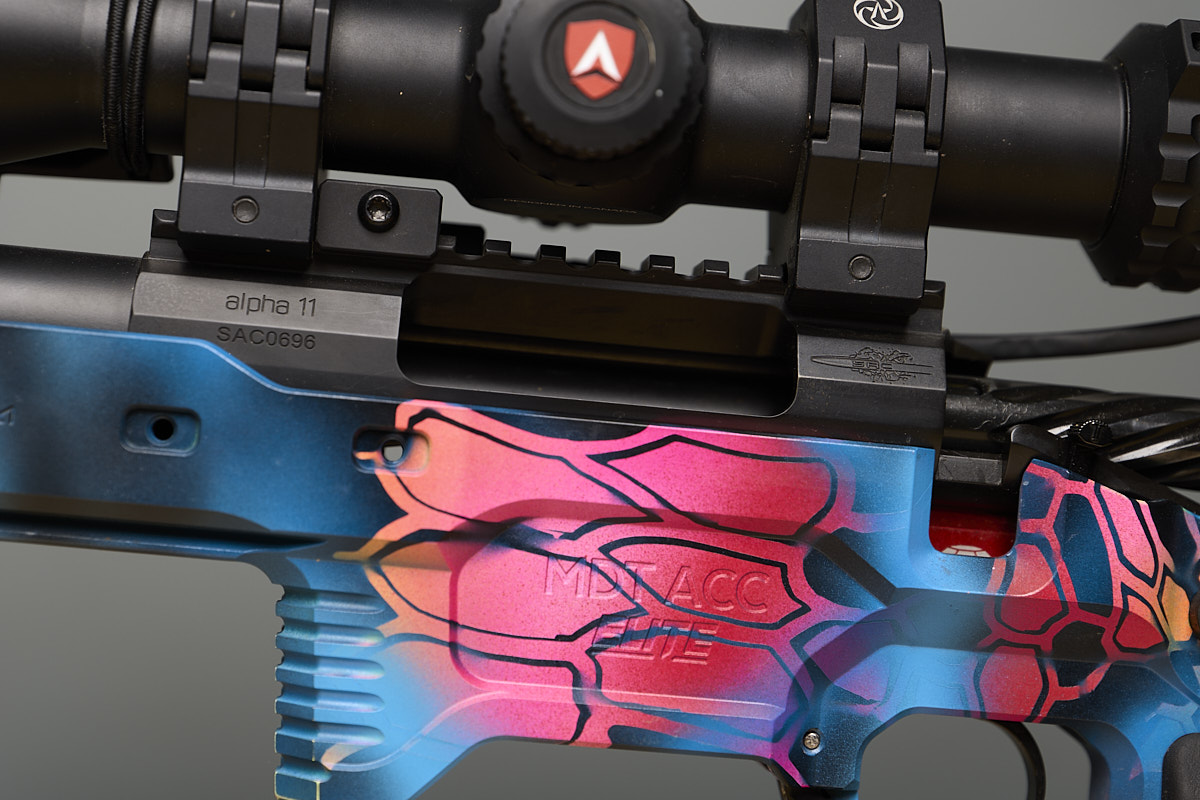
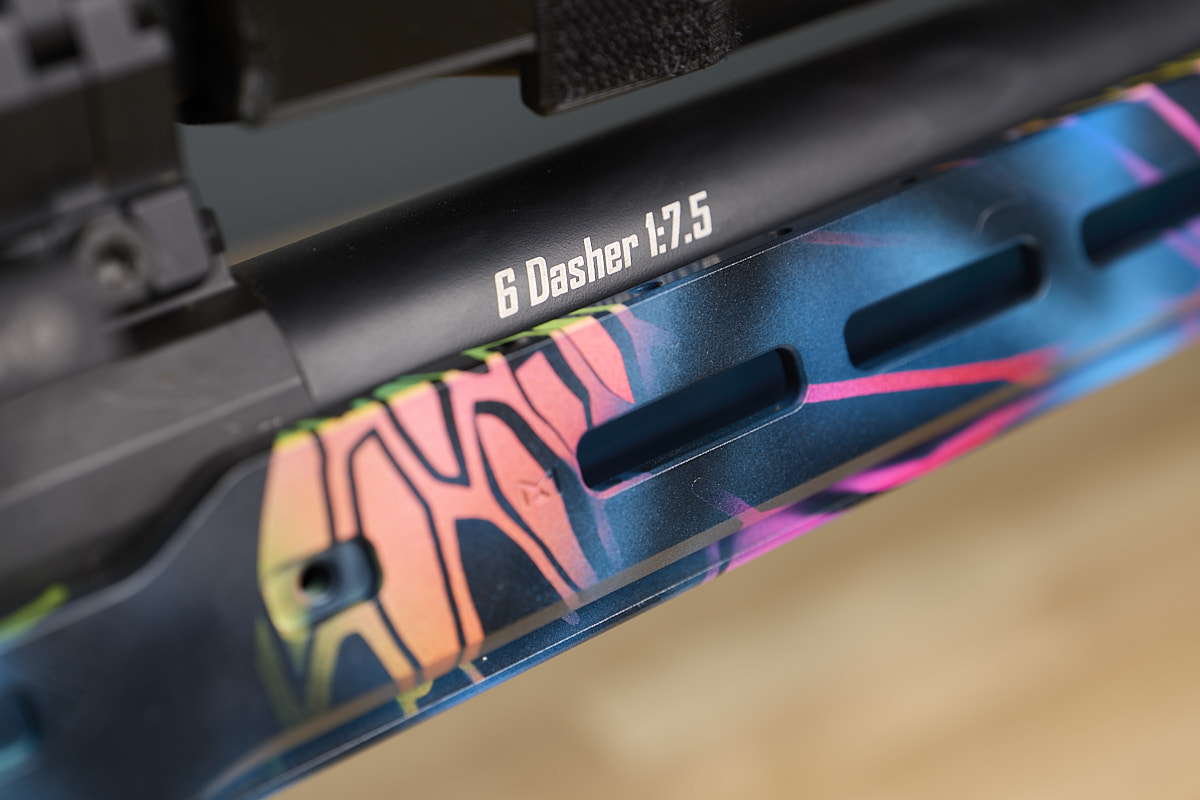
Bartlein MTU Contour barrel
For every rifle we put together, we run Bartlein barrels. Short Action Customs chambers them for us. These two things have been one of the major keys to success in all our rifles over the years. For Isaac’s Dasher, we chose the MTU contour, which is one of the heavier contours that Bartlein offers. Short Action Customs (SAC) finished the barrel at 26” and also threaded the muzzle to 5/8x24 for the muzzle devise which we will get to shortly. The twist rate comes in at 1:7.5 to accommodate the new Sierra 105 Match King bullets. Bartlein has produced nothing but great results for us over the years, and we plan to continue to use them for all our precision rifle barrels.
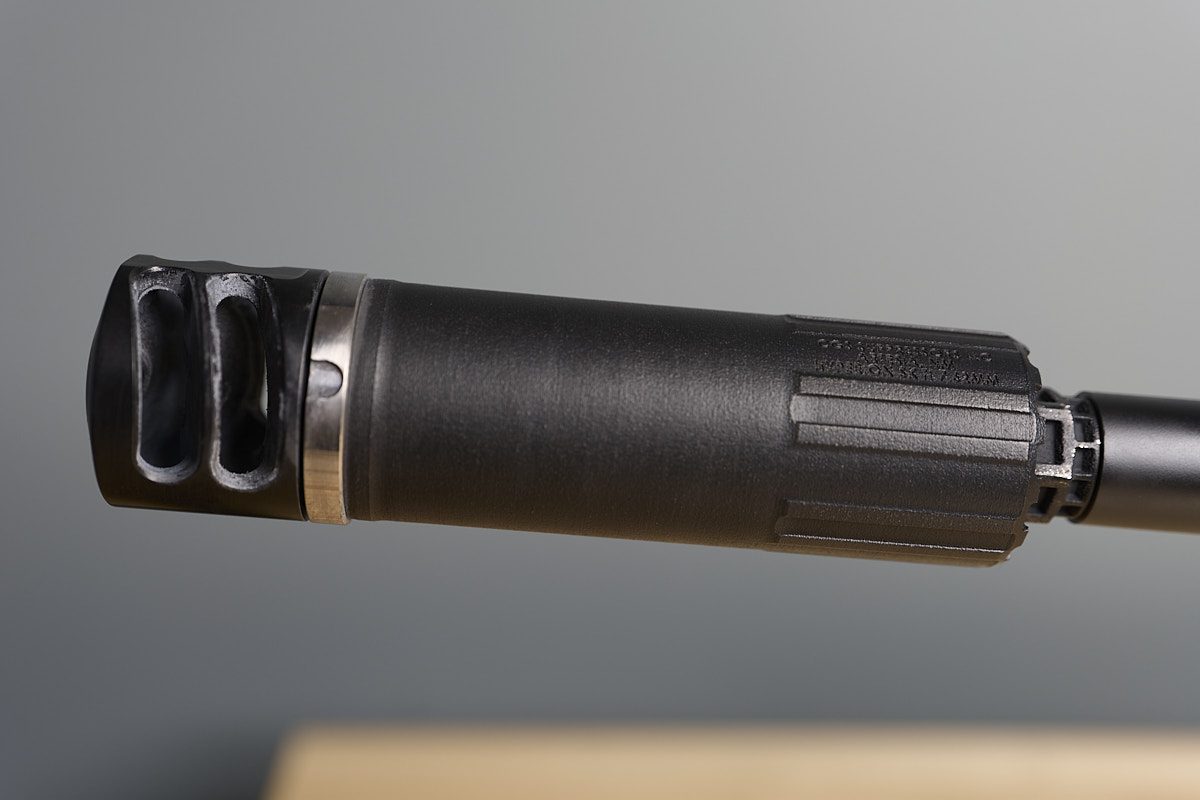
Muzzle Device
This season, we decided to mix things up for Isaac on his muzzle device. Over the past few years, he has refused to use anything other than his APA FB muzzle brake and was overly happy with its performance. The downside is all the muzzle blast and noise. During a two-day PRS match, this can wear on a shooter over the course of a few hundred rounds. Something needed to change, but we needed to maintain a solid level of recoil mitigation with that change. After asking around, I spoke with Patrick Youngs about my issue. Patrick is one of the Team Peterson shooters, and he is also on Team MDT. He brought up the use of a Recoil X brake that is coupled with a suppressor. This offers the best of both worlds. You get a good level of suppression along with the recoil mitigation of a stand-alone muzzle brake. We wanted to maintain the recoil impulse of a brake while suppressing the muzzle blast and noise as much as possible. The combination that we landed on was the CGS Group Hyperion SK suppressor with a Recoil X brake mounted out front. This setup has proven to do its job extremely well. We have successfully killed all the muzzle blast and noise while reducing recoil enough so that Isaac never loses sight picture and can see his shots down range without an issue. It has worked so well that I have adopted the Recoil X brake myself on an Otter Creek Labs infinity suppressor for my setup. Back to the CGS Hyperion K that Isaac is running this season. The Hyperion K is a flow-through suppressor that pushes more gas out the front of the suppressor and into the brake to promote a higher level of recoil reduction. This is where the Recoil X really shines. In order for it to work effectively, you need to get enough gas out to the brake for it to work as it should. The flow through suppressor design is perfect for this application. After his first match with the Hyperion SK and the Recoil X, there is no going back now. He could say with the utmost confidence that he saw all his shots down range, and by the end of the day, he didn’t have the fatigue and headache that can come with running a loud, obnoxious muzzle brake. In our opinion, there is no better setup out there than a good flow-through suppressor coupled with a Recoil X muzzle brake, and we highly suggest that you try one for yourself.
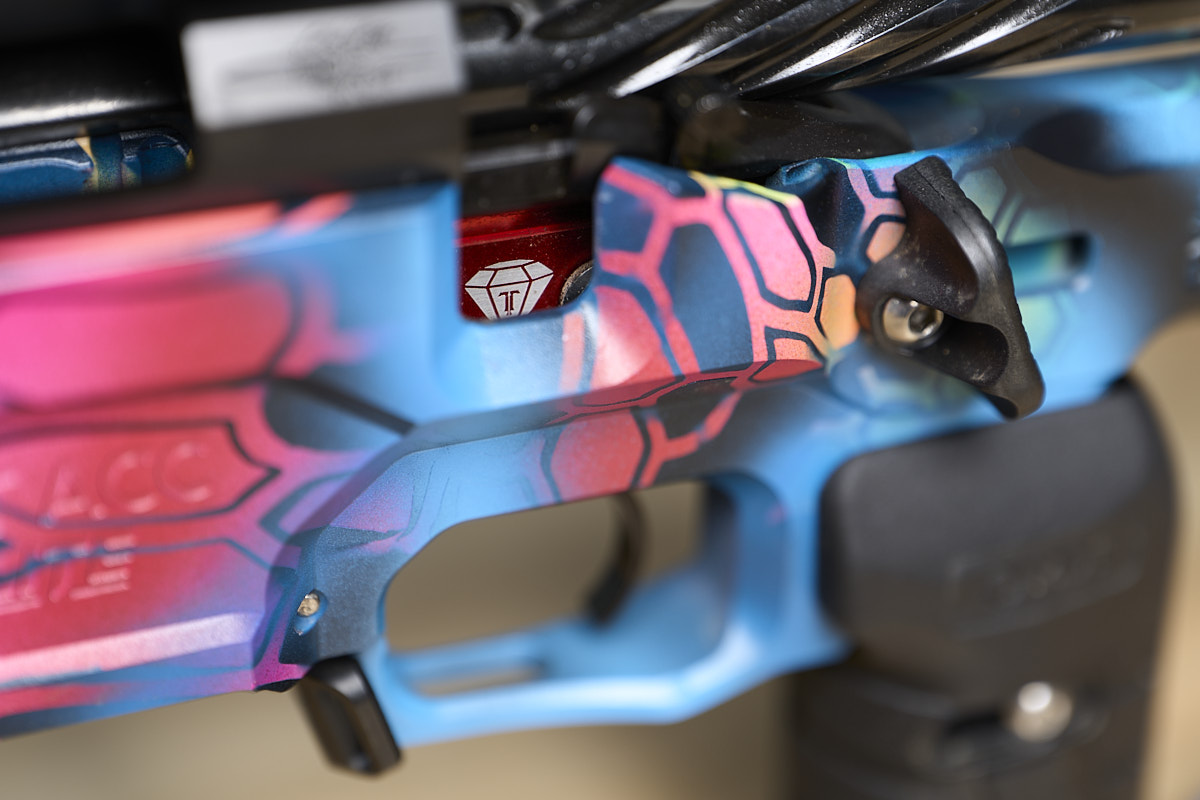
Trigger Tech Diamond
For all our rifle builds, our choice of trigger is an easy one. Trigger Tech is one of the best in the business for producing a trigger with that clean, glass rod style break that we all look for in a precision rifle trigger. They are highly adjustable, incredibly reliable in every scenario that we have thrown at them, and the feel of a Trigger Tech Diamond is like nothing else. Simple, straight to the point, and they just work. Isaacs particular setup for his Diamond is a pro curve trigger shoe, and we set it at one pound or a little over. This ensures that he won’t close the bolt quickly on a live round and have the gun go off unintentionally. Over all the years and matches, we have never had one fail on us. Safety is always the number one priority, and we can trust that the Trigger Tech Diamond will provide that.
Optics
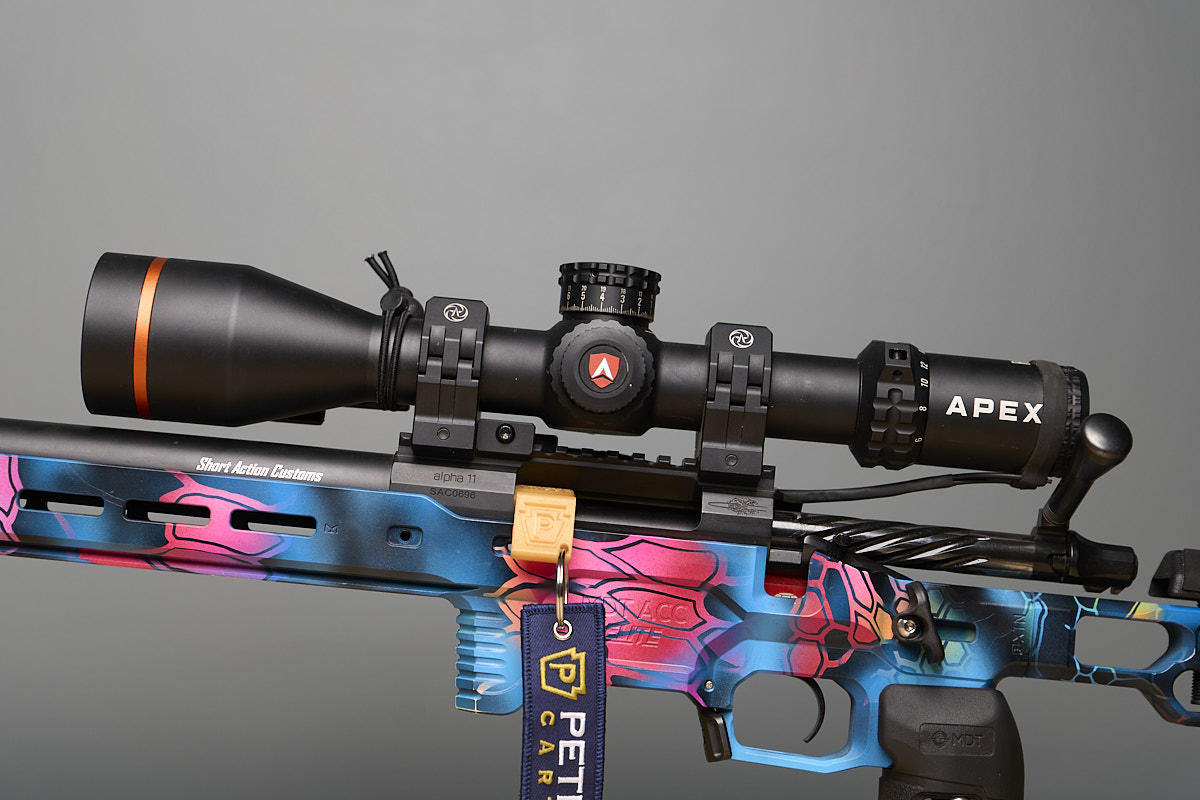
Arguably, one of the most important pieces of any precision rifle, if not the most important piece. Isaac was previously running an older 6-24 power optic, and for this season, he was hoping to upgrade to something with a little more magnification and an updated reticle. We decided to go with the Apex Optics Rival X. The Rival X is a 4-32x56 with a 34mm main tube. The “X” model has the 10 mil turrets over the 15 mil turrets that the standard Rival has. The 10 mil turrets spread each click out, some making fast dialing of the turret easier and more accurate when you are in a hurry to get to that next elevation setting. The Rival and Rival X also have the CLR competition reticle, which was developed specifically for PRS-style competition. The reticle is broken down into two tenth hash marks with a half mil or .5 line throughout its windage stadia. For elevation hold overs, it is broken down into two-tenth marks all the way to six mils of hold over. The reticle is clean and not overly busy. Reticles that are too busy can obstruct your target down range and make it difficult to use windage holds or see your shots. The Rival X also has a zero-stop system built into the elevation knob, which is standard for a vast majority of optics used in competition today. Lastly, while not used very often in PRS competition, it is a nice feature to have; the Rival X has illumination built in, where only the main stadia of the reticle is illuminated when it is powered on. This is a great addition in the instance where you are shooting in low-light situations and may need to light the reticle up to help with seeing your hold points and crosshair. In conclusion, the Rival X from Apex Optics is a great option for any of today’s competitors searching for a rock-solid optic that has everything you need and nothing you don’t. At its price point, it is one of the best options available, coming in around the $2,500 mark. This is an excellent option for any shooter looking for quality, versatility, and repeatability. Apex Optics representation in the competitive shooting world continues to grow, and we are really looking forward to running the Rival X through its paces this season.
Ammo
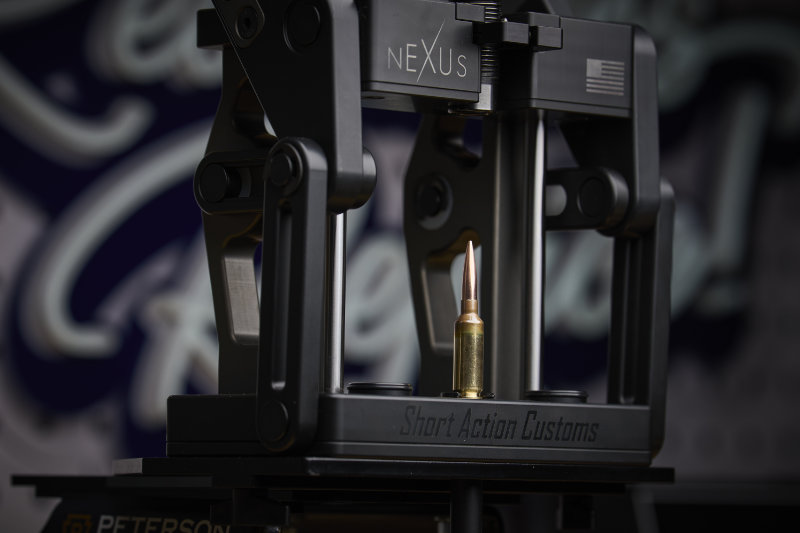
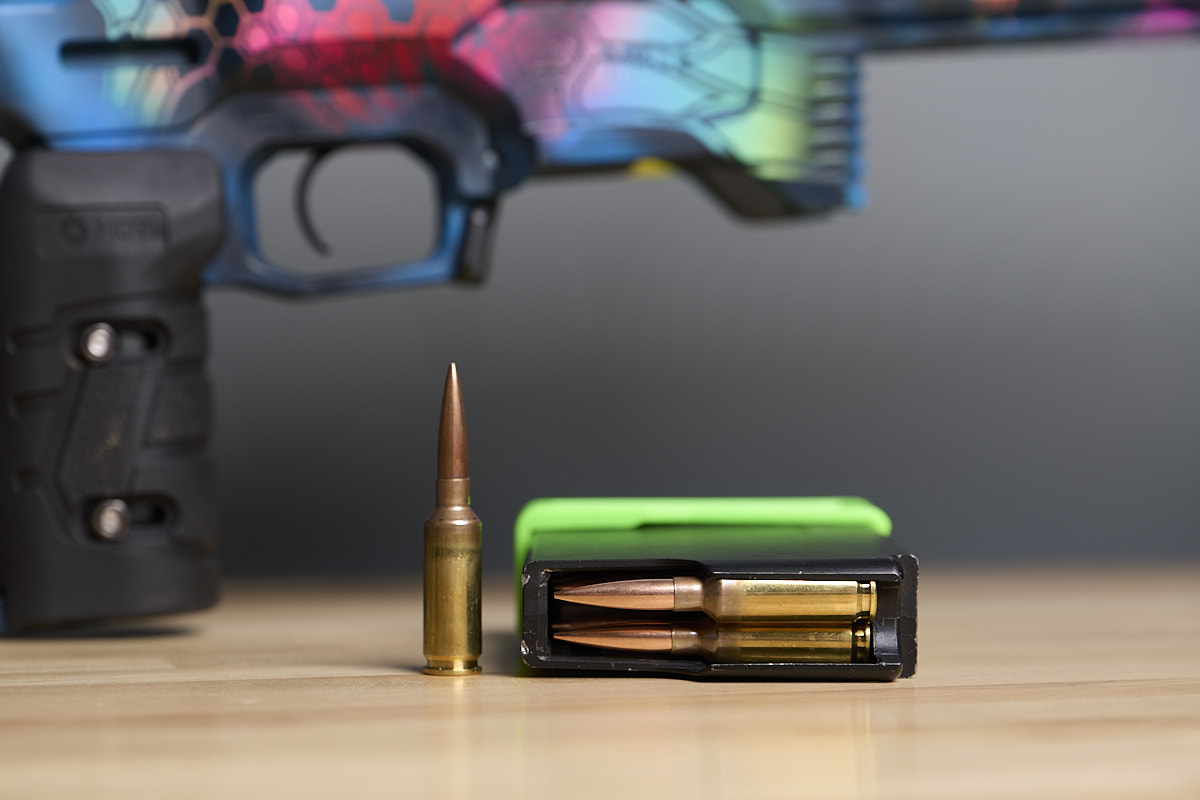
Another component to any precision rifle is quality ammo. Accuracy, consistency, and Precision are paramount with each shot you take. The ammo must work in conjunction with your rifle system. If it doesn’t, and the ammo is not optimized for your system, it’s like putting 87 octane in a race engine. It just doesn’t work. Our components of choice for the 6mm Dasher were chosen carefully, and we did a lot of research on what the best options were in each category. First, we went with Peterson brass for obvious reasons, but the quality and consistency of the brass made easy work of load workup and testing. Our SD’s were very low the entire way through, and this has a lot to do with the consistency of the brass right out of the box. Consistent neck tension and internal volume made it simple to find an optimized load on virgin brass. When tested on once-fired brass, the load remained the same, and so did the Accuracy and consistency. The only difference we experienced was a 15-foot-per-second gain in speed from 2813 FPS to 2828 FPS. The SD’s and ES remained the same, and it was still producing the one ragged hole groups that we started with. We load all our ammo with CCI BR4 primers and have been for 3 seasons now. The BR4’s have always worked flawlessly and promote consistency in all our ammo, whether it be Isaac’s 6 Dasher or my 6x47. BR4’s for the win for us. 3rd on the list was the powder that we were going to use. I’ll admit, I did a ton of research, but there really wasn’t any reason to. Everyone I spoke with was using one option. Hodgdon Varget was the answer for the 6 Dasher. It is extremely temperature stable, so there is no need to worry about shooting in July or in December here in PA. While you might see some small changes in speed, you won’t see anything drastic due to weather changes. Varget produced super consistent speed numbers over 10 shot tests, and SD’s always sitting in the low single digits. You can’t ask much more from your powder choice. Lastly was bullet selection. We have been running Sierra bullets for a long time, and we have no plans to change now. In previous seasons, we always ran the 107 Match King bullets, and they were always very consistent and accurate for us. For 2026, Sierra released their new 105-grain 6mm Match King, and from what I could tell, it seemed to be the perfect fit for a 7.5 twist 6 Dasher. We started load work up and landed on 31.0 grains of Varget with a 105 SMK traveling at 2813 feet per second (FPS). This seems slow, right? Well, it is in the grand scheme of things. The benefits of running a mild load like this are recoil mitigation and, from my experience, the slower nodes tend to be much less susceptible to variance change. Low, slow, and smooth has always translated to accurate for us. Now, keeping all this in mind, it was time to figure out the BC (ballistics coefficient) on the 105 SMK. To do this, we went straight to 1000 yards. We plugged the speed into the Kestrel ballistics solver, bullet weight, length, and the published BC to get a firing solution. The Kestrel told us that 7.9 mils is what it would take to make an impact at 1000 yards on water line. Isaac’s first shot down range landed three tenths of a mil high. The second shot hit the same hole. One more for testing's sake landed in the same spot. We now needed to make an adjustment to the Kestrel. Since the data was telling us we needed 7.9 and we actually needed 7.6 to be spot on center, the bullet was more efficient and had a higher BC than the published number provided by Sierra. This is definitely not normal. Most published BC numbers are inflated and higher than what you actually end up with. This time around, we needed to raise the BC number so that the kestrel would read 7.6 mils at 1000yds. The data read true on the Kestrel with a BC of .289! This is a very high number for a 105-grain 6mm bullet. Isaac dialed down to 7.6 and sent his fourth shot. His impact landed on water line slightly to the left of center. The fifth and sixth shots were also on the money. We then verified from 1000 all the way back to 400, going in 100-yard increments to verify his DOPE (Data on previous engagement). Everything lined up perfectly, and it was off to the races. This method of finding accurate data is called truing. You are lining up your ballistics solver to read exactly what you need for a water line elevation hit at 1000 yards, and once you have accomplished that, your data should line up from that point, all the way back to the 100-yard line. I would also like to mention that his wind holds were noticeably less than mine, and I was running the 107 SMK almost 150 feet per second faster with a .258 BC. Needless to say, I needed to make the switch to the new 105 myself very soon. In his 100 Yard testing and firing 10-shot groups, the 105 SMK produced consistent sub-half MOA groups almost every time. His best group fired was 5 shots that measured in at .207 center to center with a bullet jump to the lands of .065. The final load is listed below.
a. Peterson 6mm Dasher brass – No prep to virgin casings. Neck tension set to .003 after first firing with a .002 shoulder bump.
b. Hodgdon Varget Powder – 31.0 grains.
c. Sierra 105 Match King bullets - .065 jump.
d. CCI BR4 Primers.
Magazines
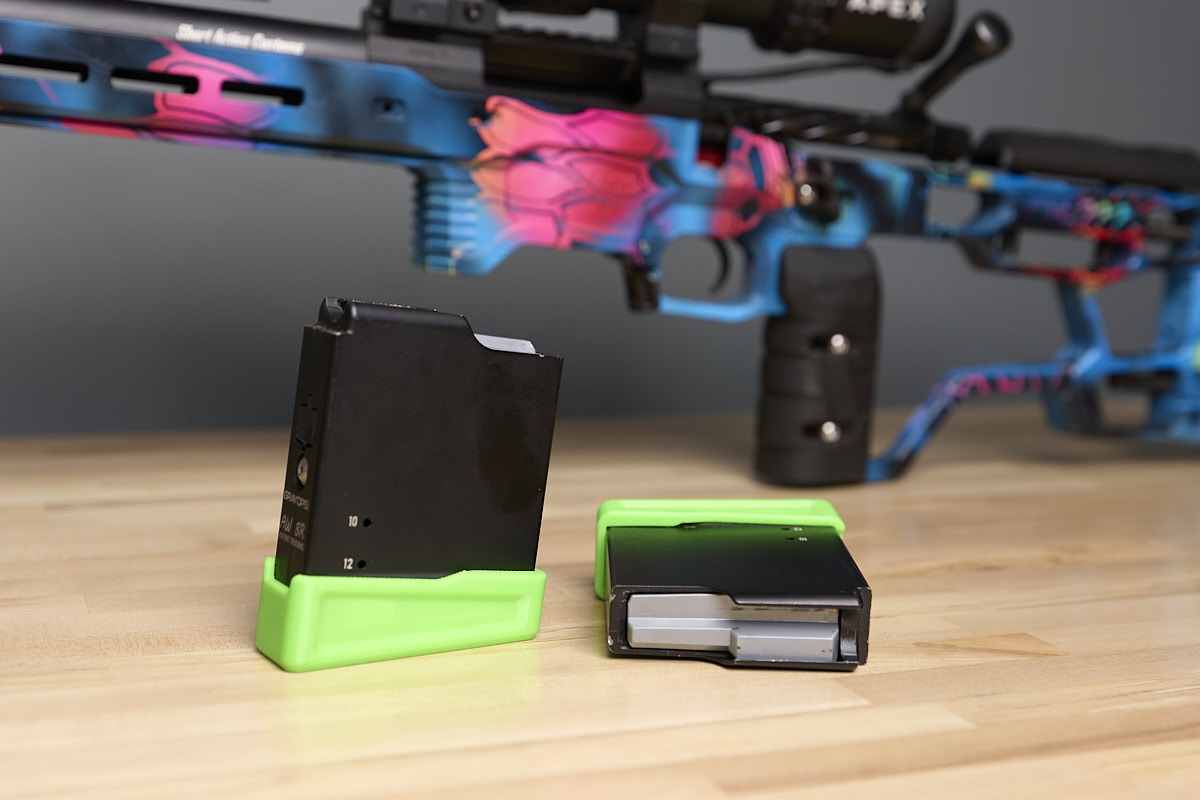
Something I feel that needs to be mentioned here, because we are running a 6 Dasher, are the magazines. The 6 Dasher has been known to have a lot of feeding issues over the years in magazine-fed rifles. The round was never designed to be used in a repeater. The 6 Dasher was originally designed for bench rest style shooting, where competitors single-fed their rifles by hand. Once cartridges like the 6 Dasher, 6 BR, and 6 BRA took hold in the PRS and other competitions where you need to be able to feed from a magazine and it needs to hold 10 rounds, problems started to come up. Many companies began trying to solve the problem with magazine kits that had modified followers and springs that would help feed the shorter rounds with steep shoulders. While you could tune those magazines to run, they never worked perfectly all the time. All it took was a feed lip to come out of adjustment, or the magazine angle in the well to change slightly due to pushing against a bag on a barricade, and you would start having problems. Major problems. Rounds would nosedive coming out of the magazine and bind the action up. They would bind in the magazine and not feed upwards for the bolt to strip the next round. Double feeds were common, and having to drop your mag to clear a malfunction before continuing was a normal occurrence for 6 Dasher shooters. They got really good at clearing jams and malfunctions while timing out on stages and missing points due to the failures. With all these issues, a real solution was needed. The options on the market offered a partial fix that worked sometimes, but not always. Then Gray Ops CNC decided to show up. A fellow Pennsylvania-based company, known for its precision rifle accessories and high-quality products, decided to solve the feeding issues once and for all. They set out to design a magazine that was not modified to run 6 Dasher or 6BR but was purpose-built for the job. They CNC-machined the magazine body to control the tolerances to promote reliable feeding. They then redesigned the follower in the magazine to deal with the short length of the loaded Dasher rounds. They also made the magazine height in the rifle easily adjustable over adjusting feed lips to deal with height. When it comes to magazines that actually work for feeding the shorter calibers, the Gray Ops CNC magazines are the best in the business. As soon as Isaac decided to switch to the 6 Dasher, we had 2 of their AW pattern magazines on order, and feeding has been perfect from the start. Almost smoother than my 6x47.
The Cohesive Unit.
All these parts and pieces of Isaac’s rifle system come together to form something that will outperform the shooter who is operating that system. That is the end goal when doing any sort of precision rifle build. You want to leave nothing to chance and be sure that everything works well together for one common goal, impacts. Once you remove the equipment from the variable status and into a cohesive unit that you know is sound, that only leaves one thing on the list for failure in any capacity: the shooter. Everything on or in the rifle is stacked together to send accurate shots down range, and now it’s on Isaac to drive that rifle to its full potential. Going forward, he will be running this new rifle system through its paces this season and doing his best to push it to its limits. He has a long way to go as a junior division shooter and has big goals set for himself. This rifle system is the platform that can get him there. All that’s left to do is train and execute.
Gear outside the rifle system
Every shooter has a ton of gear outside the rifle system that they rely on to get the job done. Everything must work well together and offer some sort of benefit during match day. In this final section, we will go over the gear set that Isaac typically carries with him through an entire match. This is a loadout that will work well for any shooter, let alone only the juniors. The junior shooters need to have the same capabilities as the top pro shooters if they want to be competitive in any capacity.
Pack systems
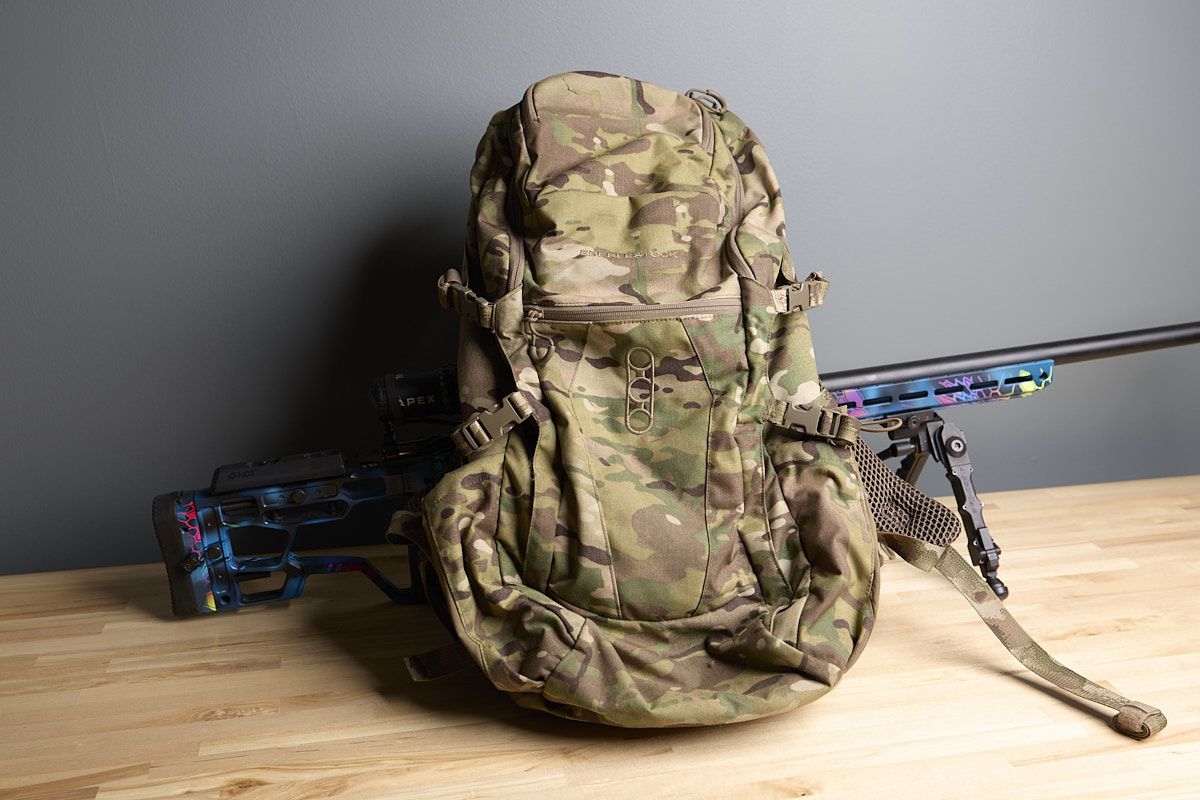
Every shooter carries a pack or some sort of bag to store all their equipment and ammunition in when moving from stage to stage. Everything needs to stay organized so that the shooter can get to whatever they need quickly. The pack that Isaac has been carrying for the past 2 seasons is the Eberlestock Freefall 2000. The Freefall comes in two different sizes. The 2000 and 3000 models. The 2000 has 1975 cubic inches of storage, and the 3000 has 2800 cubic inches of storage. For PRS competition, the 2000 has been perfect for him. It offers plenty of room for all his gear and helps him keep everything organized. It has a built-in frame, which also helps when the pack weight starts to get on the heavy side for those long two-day pro series matches. When we set out to find a pack that worked well for his smaller frame but still had enough room for everything he could need, the Freefall 2000 was a great choice, and it has fit the role very well over all this time.
What’s in the bag?
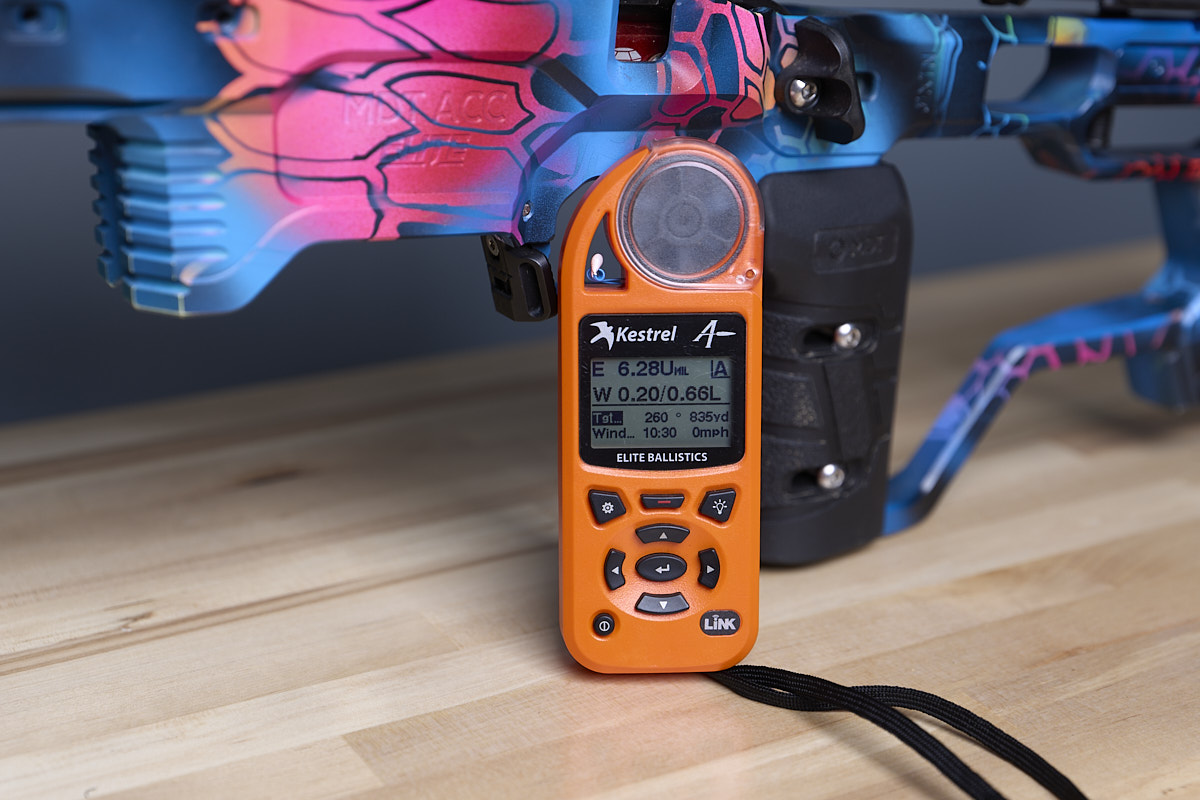
The Kestrel 5700 Elite ballistic weather meter is one of the most important pieces of equipment that most shooters carry. Everyone needs a ballistic solver to generate DOPE (Data on previous engagements). We chose the Kestrel because it has a very long track record of being reliable, accurate, and its capabilities are always growing with software updates. These small handheld computers that are about the size of your cellphone can read wind speed, temperature, pressure, humidity, altitude, direction of fire, and can even compensate for a moving target with the correct input from the user. The Kestrel 5700 Elite is the industry standard for ballistic solvers. You will see more of these on the range than any other product to date.
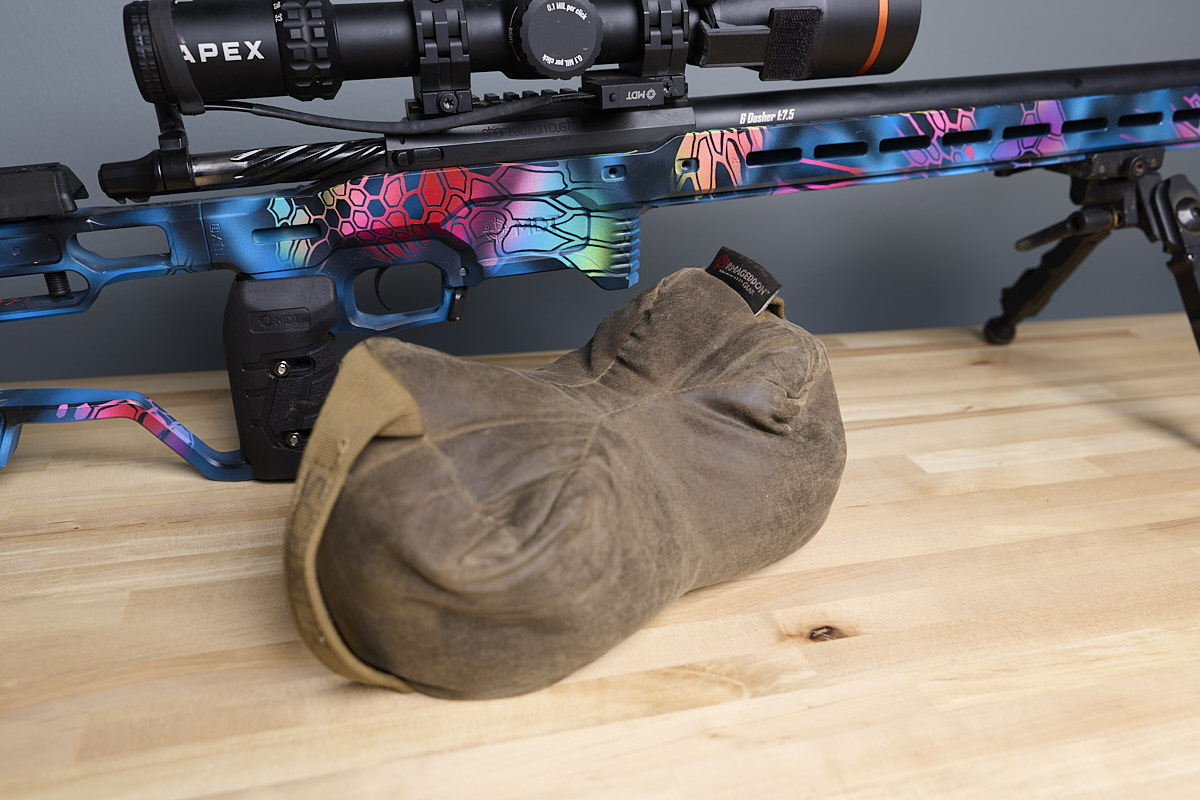
Next is the shooting bag that Isaac uses most often in a match. The Armageddon Gear Shmedium Gamechanger bag is his number one choice. If you were limited to carrying one bag for an entire match, this would be the one. It is extremely versatile and can be used in many different scenarios. You can go from shooing off a cattle gate, to rocks, to using it as a rear bag when shooing prone. The one bag that never leaves his pack is the Shmedium.
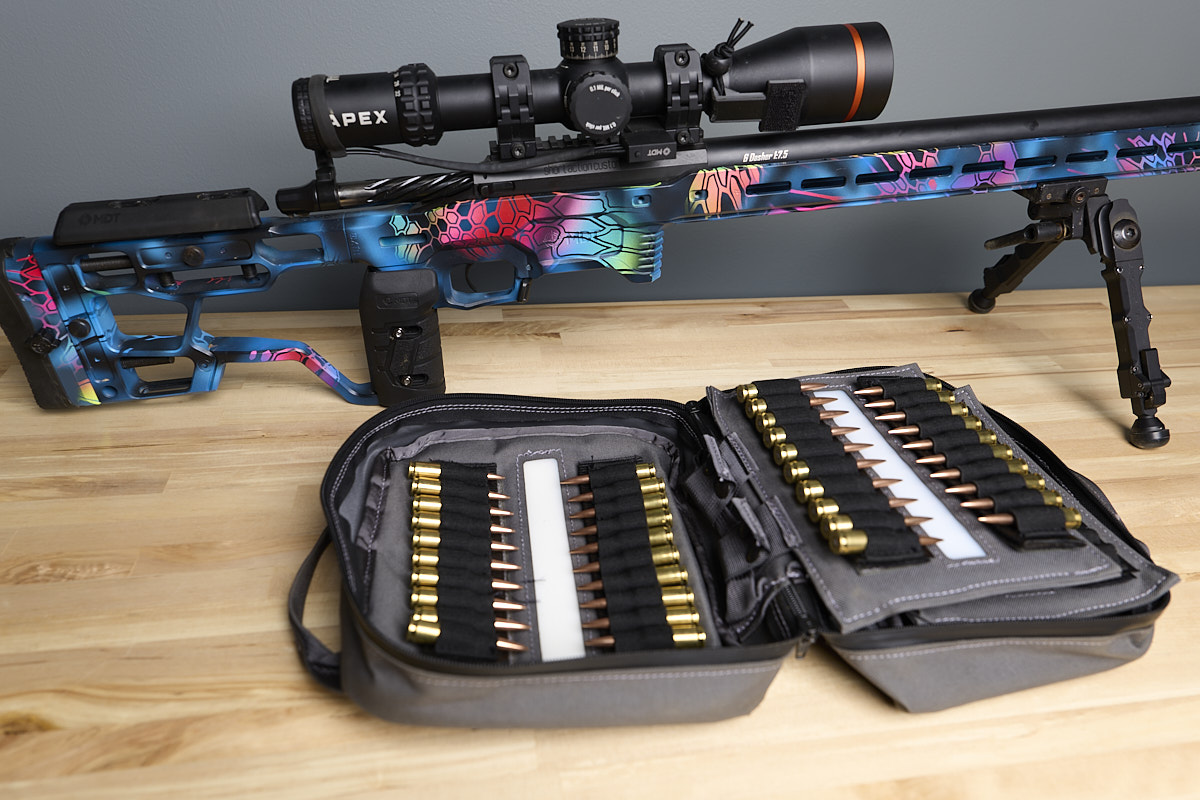
We need to carry enough ammo to get through one day of the match. Normally, this is between 100 and 120 rounds. There are many options out there for hauling your ammo around and keeping it secure. Isaac uses the CrossTac Ammo Fortress 120. It offers plenty of protection for each round, and it holds enough ammo to get through your day at your next match.
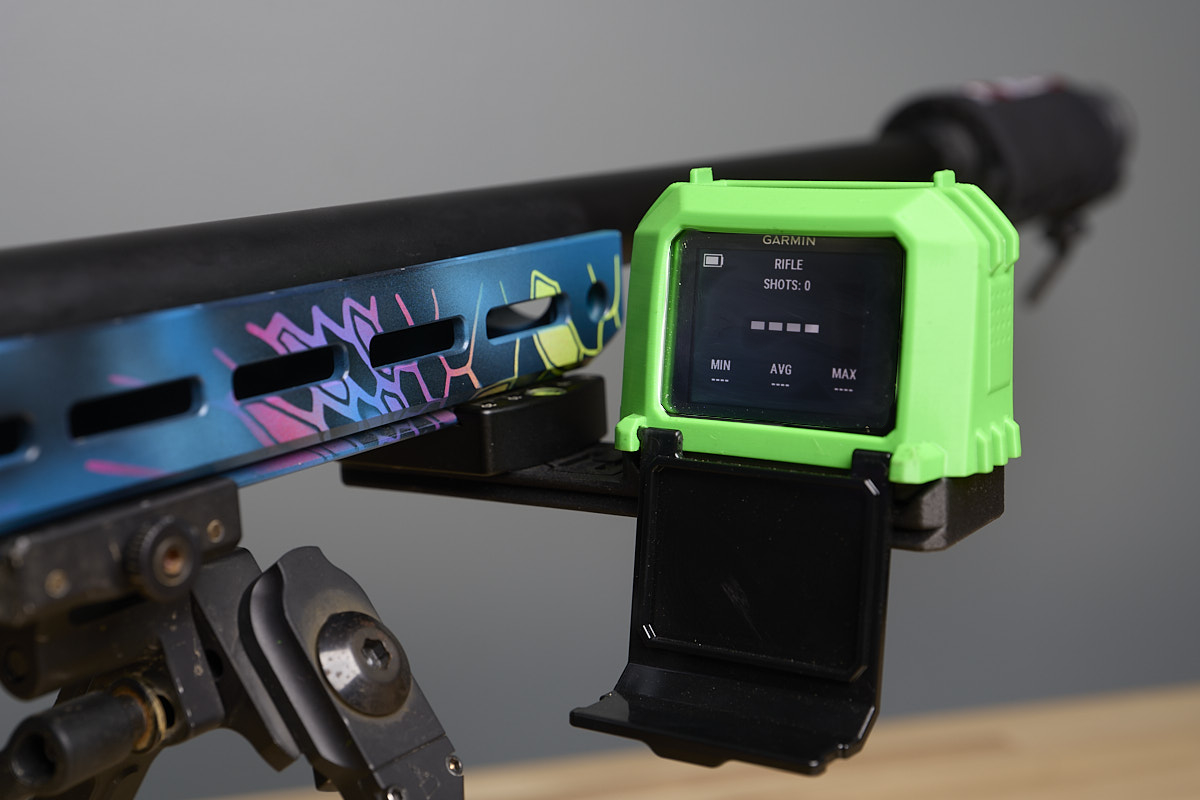
Aside from all the batteries, Sharpie markers, DOPE cards, tape, rain gear, hand tools, etc., there is one other piece of equipment that never leaves his pack. That is his Garmin Xero C1 Chronograph. This piece of equipment is essential for checking bullet speed and getting it done quickly. He has it mounted on a Hoz & Shield Xero mount so that it can be attached to the ARCA rail on his rifle very quickly. The Xero has been an awesome piece of gear that has become a mainstay for us. It is small enough to fit just about anywhere out of the way, and it’s always there in the event that you need to check speeds on the fly.
Get out and shoot!
After piecing all this together over the years and working on his system, he feels that he now has a setup that is purpose-built for success. When starting a new youth shooter, the goal is to drive home realistic expectations. Training and dedication are what bring everything together to reach their goals. This sport is one of the most difficult and demanding disciplines in the shooting world, and putting together the right gear and equipment is vital from the word go.
As for the Precision Rifle Series (PRS) itself, I have met some of my best friends while competing in this sport. It is much more than a precision rifle match. These events give us the opportunity to connect with old friends, meet new ones, and have a great time sending rounds down range. The people involved with the PRS are second to none and are always more than willing to offer help and guidance to any new shooter wanting to get started. If you are on the fence about getting started, my advice is to make the jump. You will learn more in your first match than you ever could watching from the sidelines. Everyone is more than willing to assist you with your progression as a shooter and competitor. We make these matches a family event for us. Everyone is extremely welcoming, and the support we have received for the kid’s shooting journey has been nothing short of incredible. I am confident that your experience will be much the same. All that’s left to do is get out and shoot!
By entering this website, you certify that you are 18 years of age or older.