
Adventure Bound: Getting Prepped for a Destination Hunt
By
Craig Gillock
So, you want to go on a hunt. That’s great! It’s always a good idea to expand your horizons and head afield after new game in strange and far-off places. Are you traveling internationally or staying domestic? Will you be planning your hunt by yourself or is a friend going along? How far will you need to be able to shoot? Are there any minimum caliber requirements? What’s the weather going to be like? Will you need to apply for any special permits? How about for camping? How about for getting your trophy and meat home? Are there any weight restrictions on the gear you’re allowed to take? If you really are committed to traveling for a hunt, these are just a few of the questions you need to ask and get answers for. A destination hunt can be a lot of fun, but if you’re not properly prepared it can also be a nightmare.
Getting Started
What else do you need to know? That depends on your answers to three primary questions. What do you want to hunt? Where do you want to hunt? And do you want to enlist the services of an outfitter, or are you going DIY style? Once you know these answers you can begin to plan for the specific adventure you’re seeking.
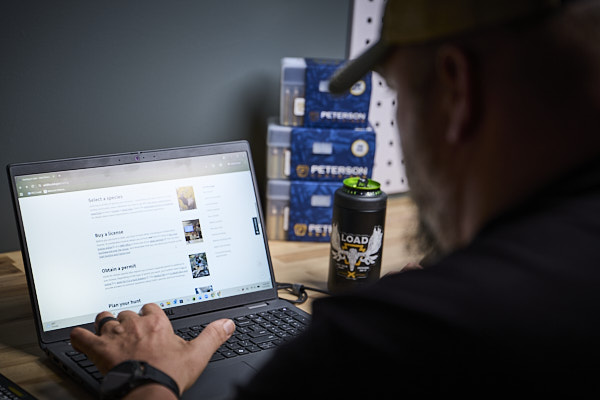 Deciding what you want to hunt is usually the easiest decision in the entire process. Most hunters have a bucket list of animals they want to pursue and that list almost always has a clear number one. For me it was a big Canadian moose. Once I crossed that off my list, the American bison moved into the top spot, followed closely by a hulking coastal brown bear. I haven’t checked those off yet, but I’m working on it.
Choosing your game leads to what I feel is one of the most difficult decisions, where are you going to hunt? The difficulty in this choice comes from several factors. Are you looking to hunt somewhere that has over the counter (OTC) licenses and tags available, or are you feeling lucky and entering a draw lottery? Over-the-counter tags in the US are getting harder and harder to come by, especially in most western states. The majority of these locations now require using an outfitter or landowner tag, or spending years and hundreds, if not thousands, of dollars building up draw points over several years. And that is for each species and location you want to hunt. I’ve spent the last seven years applying for elk, bighorn, mule deer, and antelope in the Nevada draw. Each year that costs me $350 for a non-refundable hunting license (this has to be purchased whether you successfully draw or not) plus $16 for each species tag. This translates to $2,800 that I’ve spent on an opportunity to hunt one state, without ever getting successfully drawn.
In this same period of time, I’ve made multiple trips north of the border to western Canada where I’ve hunted moose, mule deer, whitetail, and black bear. All of which were hunted with tags I simply went online or stopped at a local licensing agent and bought. The drawback to this option, however, is dealing with the challenges of international travel. I’ll talk more about this later. The other consideration with hunting in Canada is that most provinces require non-Canadian citizens to utilize the services of a guide or outfitter. I don’t have a problem with this. I’ve hunted with several great outfitters over the years. But if you want to do a DIY hunt, this can knock Canada out of consideration.
What mode of transportation you want to use and how long it will take you to travel to your destination can also influence where you hunt. If you’re someone who doesn’t like to fly, a hunt to South Africa or New Zealand is probably out of the picture. Even if you choose a location you can drive to, unless you have the time to spend a week driving, you’re probably not going to travel to the Yukon if you’re from Alabama or Virginia. Not that flying always reduces travel time that much. It was three days of flights, layovers, and hotels when I flew from Pittsburgh to northern British Columbia for my moose hunt. A good friend of mine has me beat; it took him a full week of travel to get from Pittsburgh to Turkmenistan for his Marco Polo sheep hunt. Not all destinations are this hard to get to, I’ve flown to the same location in British Columbia in one day. I just want to point out that the potential for extended travel times exists and needs to be looked at when planning a hunt.
But the thing that has always been the most difficult part of deciding where to hunt for me is that there are so many places I want to go! Ever since I was a teenager and I watched my first Monster Bucks VHS (yes, it was THAT long ago) I have wanted to go to Montana and hunt the Milk River for whitetails. It hasn’t happened yet, the high desert of New Mexico and Sonora or the ridges of the Canadian Rockies have pulled me in other directions. The problem I run into is, if I list all the places and species I want to hunt, this article will turn into a book. Therein lies the issue. How do I choose which one or two or, if I’m lucky, three places I go each year. It helps that I have the job I do and a VERY understanding wife.
I mentioned earlier that if you do not want to hunt with an outfitter, Canada can be a hard place to consider. But it’s a factor you need to look at regardless of where you’re thinking of going. Outfitters are great resource. If you’re unfamiliar with an area or have never hunted a particular animal before, hunting with an outfitter can greatly increase your odds of success. They know their territories, where the animals are likely to be, and how they are likely to act. In my opinion, hunting with a good outfitter can make you a better hunter if you pay attention and are willing to learn from the things they do.
There is a segment of the hunting community that feels using an outfitter is “cheating” or “takes away from the experience.” I’m not here to debate that issue in this article. I’m only pointing out that it is an option. A legal and well-established option. And for a guy who has saved for years to go on his once in a lifetime elk or caribou or sheep hunt, an outfitter can help that hunter realize his dream.
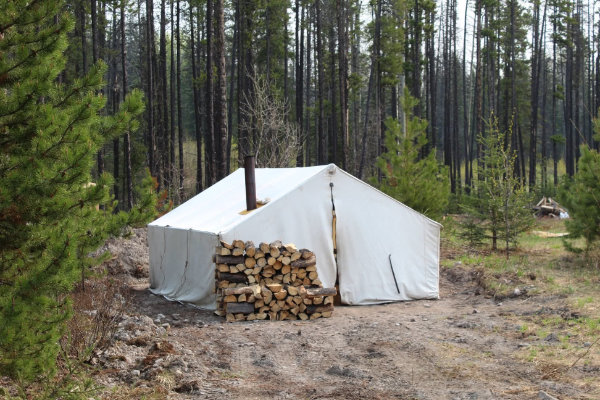 However, it is easy to understand the allure of a DIY adventure. Setting up a backcountry camp with a canvas wall tent, packing in everything you need to survive for a week, relying on a GPS or OnX to get you where you’re going is difficult, but exciting. Knowing that you did everything yourself is extremely satisfying. DIY hunts are also usually less expensive per hunt than using an outfitter, but be aware, you may need to make multiple trips before successfully harvesting an animal. For a lot of DIY hunters, that’s the point. It’s more about the journey they take to get there, than what awaits at the end. That last bit is for all of you who want to get a little deep and philosophical about hunting.
As I said, I’m not here to advocate one method over the other. I’ve done both and I enjoy both. There are advantages and disadvantages to each method. All I’m saying is that when you are planning a hunt it is a decision you will need to make.
What’s Next
You’ve made your decision on what, where, and when you’re hunting. Now what do you do? Can you sit back and relax until it’s time to leave for your trip? Sorry, but nope. Now is when you really need to start making decisions and getting everything ready. Let’s start with getting your license and tags.
Depending on what you’ve decided you either need to purchase your license from the appropriate state licensing agency, submit your application for the tag lottery, or purchase them through your outfitter. If the tags are OTC all you really need to do is wait for the license to go on sale, log in to the appropriate website, and make your purchase. If you live close enough to your chosen hunt area or if you can buy the tag on your way there, you may also be able to buy it from a brick-and-mortar location. You will probably need to set up an account with that state’s or province’s licensing agency prior to making your purchase. It’s always a good idea to go online and check on this well in advance of the date when tags go on sale. Remember, even if a tag is OTC, there may be a limited number, and you don’t want to miss your chance to buy one because you had to spend 30 minutes registering to do so.
Outfitter tags are also easily obtained. In most of these situations the outfitter is granted a certain number of tags by the licensing agency, and you then pay the outfitter. This is something you will want to outline in your hunt contract. Any reputable outfitter will provide you with a hunt contract that outlines specifics such as payment schedules, dollar amounts, items you will need to bring, what is included with the price of the hunt, and where to fly or drive into. There can be other points included as well, but these are the basics.
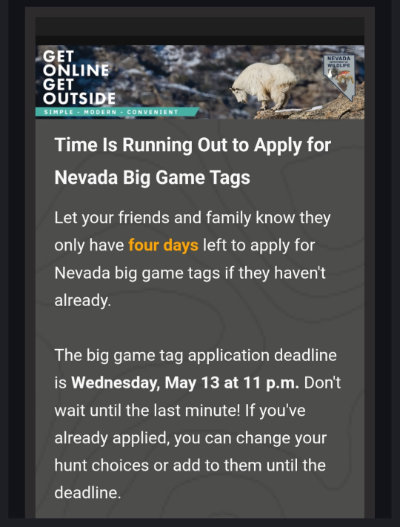
The final option, putting yourself into a lottery for your tag, is where the process can get really complicated. To start with, lotteries have specific dates and times for when you need to submit your application and when the drawing takes place. The next difficulty is that every state has different rules for how their lottery works. Sometimes even different rules for different species. You may need a license to apply. You may not. The license might be refundable in whole or in part if you’re not successful in the draw, or the cost of the license may be the cost of participation. Some lotteries allow you to purchase points every year so that you can build them up and have greater odds of drawing at a later date. One fairly consistent feature of lotteries is that they usually require you to apply in late winter or early spring. So don’t think that because a hunt takes place in November it means you can wait until autumn to apply for the license. The safest bet is to learn as much as you can about the lottery you’re entering as early as you can. If there’s something you don’t understand or have questions about, reach out to the agency running it and get the answers you need. There are few things as frustrating as missing your hunt over paperwork.
This is also the time when you need to start getting ready physically. Not every hunt is physically demanding, but any hunt that takes place in the mountains will put you on your knees if you’re not prepared for it. I always liked to approach these types of hunts with a combination of weight training in the gym and a lot of heavy pack training on the trails here at home in the Laurel Highlands or PA Wilds. But if you’re not sure of what type of training you should be doing, there are some really great programs available from Mtn Tough Fitness and through the Mtn Ops Conquer challenges.
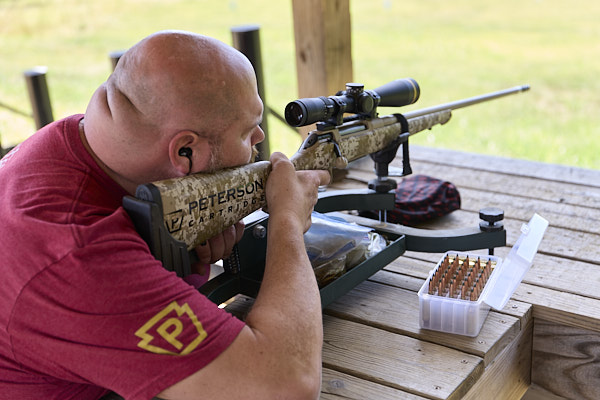 In addition, this is when you want to begin dialing in your shooting. You will need to decide what rifle and caliber you are taking. This can be influenced by the type of terrain you’ll be hunting in, how far you will be expected to shoot, and how comfortable and confident you are with that setup. On top of that, some outfitters, especially ones that offer hunts for dangerous game such as grizzly or cape buffalo, may require a minimum caliber size. And don’t forget to look at what the typical weather is for the area you will be in at that time of the year. If you are hunting an area that is subject to a lot of rain, you may want to consider a rifle with a synthetic stock versus one with a piece of Turkish walnut that you may want to pass down at some point in the future.
After you choose your rifle, you will need to decide on your ammo. Are you going to shoot factory ammunition or will you be handloading? Obviously, working for a company that manufactures rifle brass makes me partial to the handloading option, but it’s honestly not just because I work for Peterson Cartridge. I had reputable factory ammo fail me on a fly-in hunt. Ever since then I’ve either loaded my own or purchased from a premium hand loader such as Choice Ammunition in Montana or Hendershot’s in Maryland.
If you do load your own ammo, you give yourself the opportunity to try different components, or variations of components, and really dial in your 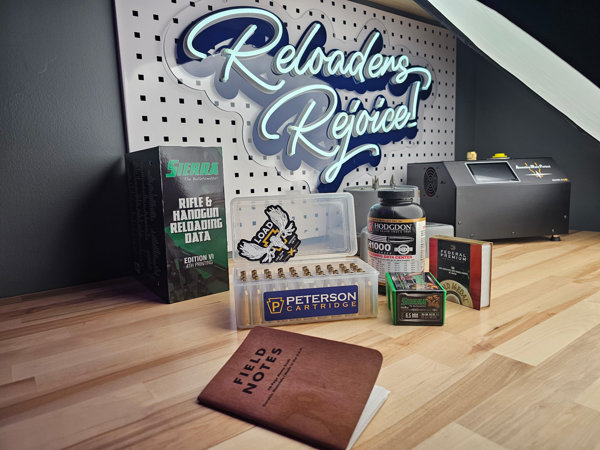 accuracy and performance. I went on a whitetail hunt to Alberta last November and prior to leaving I decided to try the new 6.5mm 145gr Sierra Tipped Game King. I had been using their 140gr TGK but heard that the 145gr version was optimized for the PRC. After making the switch I got better standard deviations (SD’s), tighter groups, and the buck I harvested literally dropped straight to the ground on a 183-yard shot. Plus, loading your own ammo instead of buying something off the shelf makes it personal, just like an angler who ties his own flies.
Logistics
Traveling to and participating in a destination hunt requires travel planning and specialized gear. Now is when you want to go over your checklist, make sure you have everything you need, and that your gear is functioning how it should. What do I mean by specialized gear? Well, if getting to your destination involves a flight in a bush plane there’s a good chance you are going to be limited to 50lbs of gear. If you subtract the weight of your rifle, usually between seven to ten pounds, that number drops down closer to 40lbs for everything else. In a situation like this you’ll need to look at bringing an ultralight tent from a company like Stone Glacier or Nemo that can pack down into a pouch the size of a cantaloupe and weighs under five pounds versus a tent you buy at Walmart that takes two men and a small child to transport and assemble.
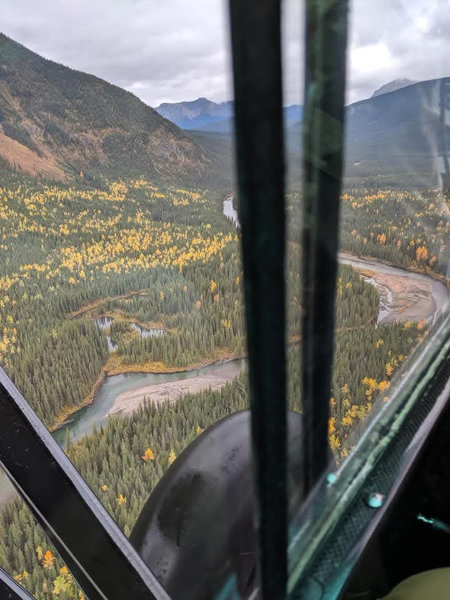 If you’re flying instead of driving, you will need a gun case that can withstand the apocalypse that is airline baggage handlers. I will tell you right now, invest in a good airline gun case. I’ve seen cases show up at baggage claim dented, with the wheels torn off, and even with holes put in them by the forks from a tow motor. You also need to make sure that your ammo is not in the same checked bag as your rifle and that you are not over the limit on the quantity of ammunition you are allowed to transport.
International travel means you need to have or get a passport. Fill out weapons declarations. And ensure that all the equipment you bring into the foreign country is legal. Do not try to take a suppressor into Mexico or Canada.
Regardless of international or domestic travel, if you fly, will you need a rental car or is the outfitter picking you up at the airport? Will you need to book a hotel room the day you fly in or the evening before you return home. My father travels to Newfoundland every year for either caribou or moose. The timing of commercial flights and flights made by the bush pilots necessitates a hotel stay before and after the hunt. Fortunately, he found a good restaurant right down the road from the hotel he always stays at, and I think he looks forward to visiting it as much as he does the hunt. But it brings up the point of will you need to book any non-commercial flights? If you use an outfitter, they will usually arrange these flights. You’re still going to pay for them, but they will be arranged.
Driving presents its own challenges and benefits. If you drive, you’re not as limited in what you can take and bring with you and you’re not on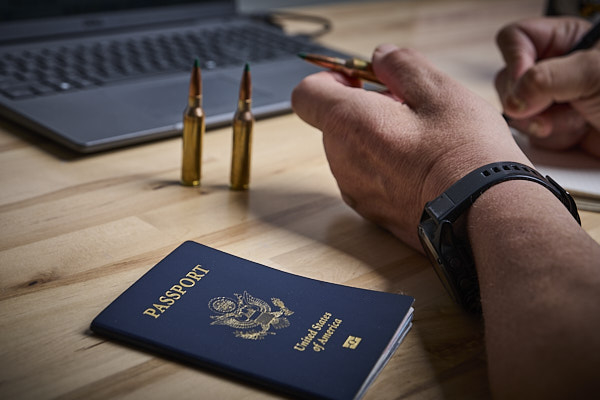 anyone’s schedule except your own. However, you can’t always get where you need to go in a truck, and it almost always takes longer. The same trek my dad makes to Newfoundland can be done by car, but it includes a multi-hour ferry ride. And remember, if you’re going on this hunt by yourself, you’re free to make these decisions. But if you are going with a hunting buddy, they’ll need to be consulted on everything.
On the Hunt
After all that I’ve talked about, you would think there were no more decisions or preparations to make. But what about during the hunt? What could you possibly need to prep for during the hunt except for making the shot when the time comes? More than you’d think. Where are you staying while on your hunt? Will you be renting a hotel and heading into your hunting grounds every morning or do you plan to set up camp in the backcountry? What will you need for camp? Will you need to carry in water or is there a water source nearby that you can utilize? If you’re camping in bear country, are you prepared to keep your food in a location that won’t invite trouble into your tent in the middle of the night? Are there any permits that need to be obtained from the state or the forest service in order to camp where you intend to?
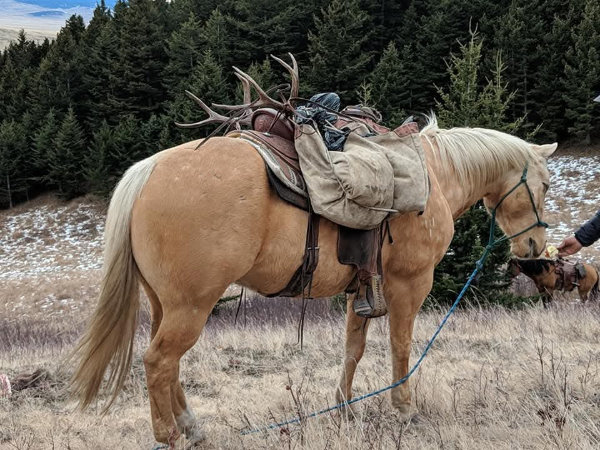 Next, you will have to plan for getting around while on the hunt. Most public land in the western US prohibits the use of motorized vehicles while hunting. This means if you want to get yourself and your gear back into the places off the beaten path you will need to rent horses, mules, or goats. There’s always the shoe leather express as well. But multiple trips over several miles just to haul gear in and out of your hunting area is tiring and takes time away from actually hunting. And having the pack animals comes in handy if you need to haul your trophy out from seven miles deep in the wilderness.
Most of all, you need to plan for the things that will keep you safe while on your hunt. An outfitter will do everything in their power to make sure you get out of the mountains safely. But if you are on your own or even hunting with a friend or group of friends there are things you need to do. First, don’t go somewhere that you are not capable of going. I’m about as stubborn as they come and I’ve gone places I shouldn’t have, just to prove that I could. We’ll chock that up to youthful enthusiasm and stupidity. Now that I’m a transtibial amputee there are even more places I need to avoid. The problem is I don’t want to admit that I may have limitations I didn’t have just a few years ago.
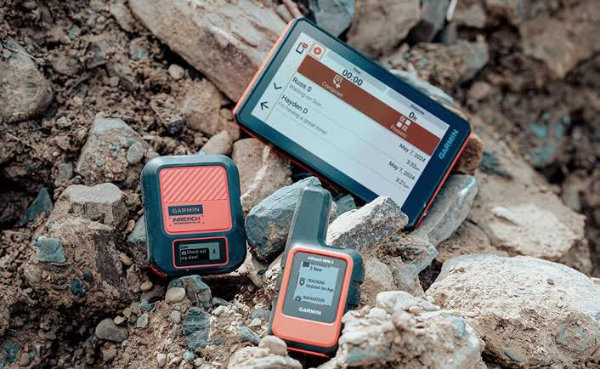
If you are going to venture into the backcountry on your own, be smart. Make sure you have a GPS or an app such as OnX. And a communication device like a Garmin inReach or a satellite phone is worth every penny if you find yourself in need of help.
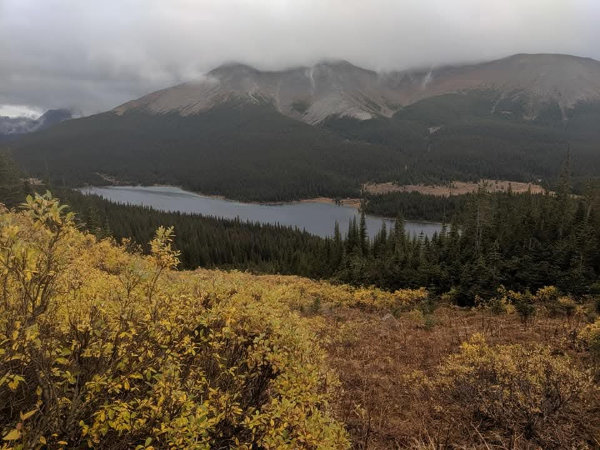
I’ll close this article by reiterating that going on a destination hunt is a genuinely exciting and life-changing event. I’ve seen and experienced things that I never would have if it were not for hunting. But deciding to go on one of these hunts is not as simple as saying it’s what you want to do. There are a lot of choices that need to be made and even more preparations. It may seem daunting at first, but I assure you it can all be done. And the first time you stand on top of a mountain and look down at the pristine alpine lake a thousand feet below you or sit around a campfire and experience what it’s like to be the only human for miles, you’ll be hooked. And all you will want to do is start planning for next time.
By entering this website, you certify that you are 18 years of age or older.