September 12, 2025
Load Like Your Hunt Depends On It
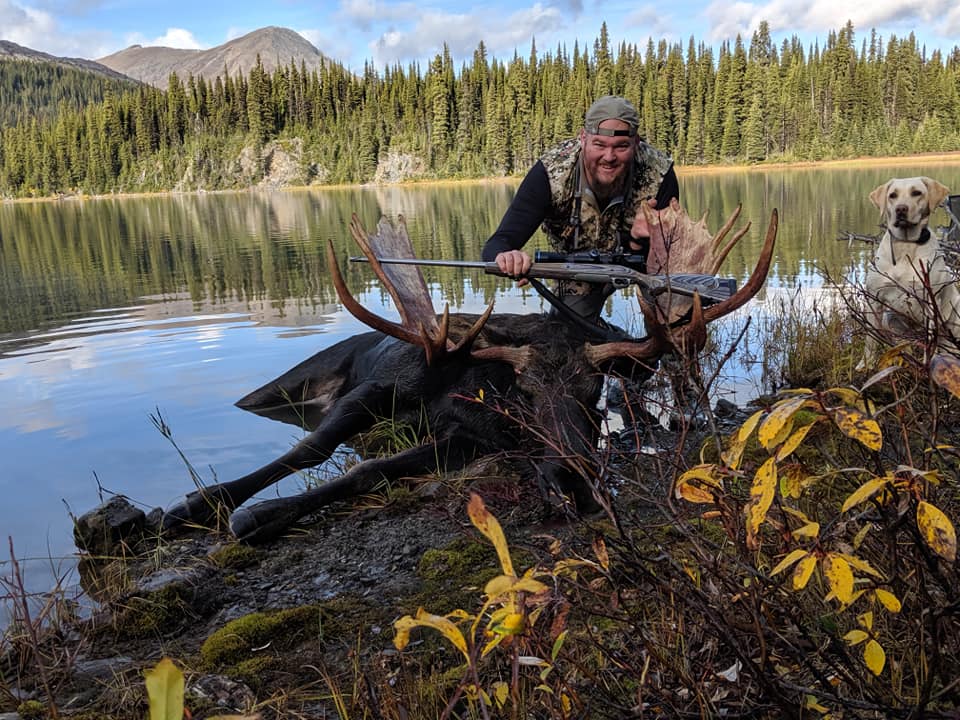
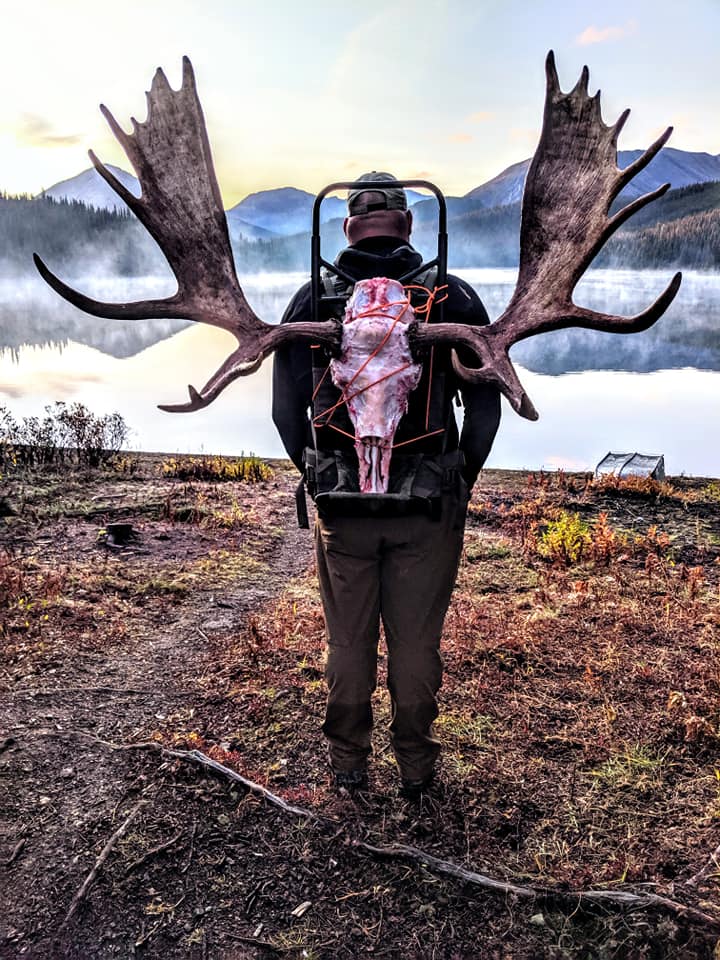
I want to tell you a quick story. It takes place in the mountains of northern British Columbia, on the shore of a pristine alpine lake full of arctic grayling, hundreds of miles from any signs of civilization. I was there on a Canadian moose hunt. It was a trip I had dreamed about since I first saw Michael Waddell spend two weeks chasing a monster bull in Alaska with Pioneer Outfitters. Finally, here I was, on my own great north adventure.
It was the fifth day of a ten-day hunt. We had yet to see a moose. The miles we had put on under a heavy pack were wearing on our bodies. The lack of game was wearing on our minds. We were crossing the lake in the small collapsible boat on our way to climb up the mountain for another day of glassing. As we rounded a point that jutted out from the southern shore, we saw a dark, broad-shouldered shadow in the fog along the shoreline. We had just spotted our first moose.
We cut the boat’s motor and let it drift toward a gravel spit. The hull scraped softly on the shore, and my guide and I stepped out, crouching low as we worked our way along the pine-scented shoreline. The forest floor was a spongy mix of moss and pine needles, muffling our steps. When we reached a fallen pine, its trunk weathered gray and stripped of bark, I knew it would serve as a perfect rest.
I ranged the bull at 300 yards on the dot. A chip shot with my Remington 7mm RUM. I steadied the rifle, and my nerves. Settled the crosshairs on the vitals. Flipped off the safety. Squeezed the trigger and…click.
The hollow sound rang louder than any gunshot. My heart seemed to stop. For a moment, I thought maybe I hadn’t disengaged the safety fully. My thumb fumbled for the knurled peg and pushed forward, but it was already at its limit. I repeated my aiming process and squeezed the trigger again.
Again, nothing! No boom.
The world tilted. My throat went dry. The bull was still there, unaware, yet all I could hear was the rush of blood in my ears. Panic edged in like cold water seeping through boots. I racked the bolt hard, ejecting the unfired round, and jammed another into the chamber. The forest seemed to close in. The fog thickened. My hands trembled as I settled the rifle once more. I found the trigger, prayed for the roar of ignition, and squeezed.
Click!
It was at this point that I started to panic. Fortunately, my guide reached through the train of expletives that was coming out of my mouth and helped me regain my composure. I chambered a third round and this time my efforts were rewarded with a well-placed shot that dropped the bull where it stood.
Later, back at camp with the fire snapping and sparks racing into the dark, I examined the misfired cartridges. The primers were faulty—factory defects. Out of a box of twenty, five had failed. This wasn’t bargain-bin ammunition either. This was expensive, name-brand stuff from a company every hunter knows. And it had betrayed me in the one moment I needed it most. I had heard stories like this before, whispered around campfires and rifle ranges, but now I’d lived it. It made me finally understand why my friend Gary refuses to hunt with anything he didn’t handload himself. He always said, “If I didn’t touch every piece, I don’t trust it.” That night in the Canadian backcountry, I learned why. Ever since, I’ve hunted only with handloads I built myself—or ammunition loaded by a top-quality craftsman I trust.
Why I Tell This Story
Now that I work for a brass casing manufacturer, I tell this story often. Not because it sells casings—though it does—but because it illustrates why handloads aren’t just about precision, they’re about trust. At trade shows or competitions, I often hear the same argument: handloading matters for match shooters chasing points, but for hunting, when your target is the size of an elk’s vitals, factory ammo is “good enough.” I respect the opinion, but after standing in the fog of British Columbia with a dead trigger under my finger, I couldn’t disagree more. Before discussing why you should handload for your hunt I think it’s important to look at the reasons people hunt. I would contend there are two basic motivations a person has when they decide to go hunting.
Reason #1: Putting food on the table and meat in the freezer.
This is the oldest and most basic purpose of hunting. It is what drove humanity out of the cave and allowed us to grow and evolve as a species. A phrase often heard in any discussion about the validity of hunting in modern society is, “The history of the hunter is the history of mankind”. The assertion being that hunting is fundamental to our development and has been at the center of our culture for nearly all of human existence. Anti-hunters argue that in today’s world hunting is archaic and unnecessary, even cruel. Why take the life of some poor woodland creature when you can go to the grocery store or order your next meal from the drive-thru? This argument almost always turns into a shouting match over the perceived moral right or wrong of killing an animal. What it needs to be about is a discussion of organic versus commercially farmed. Hormone free versus added preservatives. Nutrition versus convenience.
Reason #2: The Traditions and Experience of Hunting
To hunt and be a part of the traditions of the hunt is a primal feeling. It is a connection to an earlier version of our kind. Anti-hunters will say it’s cruel and outdated, but for some, myself included, it is a defining characteristic of who we are. I could not imagine a life where I didn’t travel to wild places in search of adventure. And it’s not the killing that I seek, it’s all the things I do that allow me to have that opportunity. Fred Bear said it best, “A hunt based only on trophies taken falls far short of what the ultimate goal should be”. In other words, it’s the journey, not the destination. I don’t disagree with Fred Bear. I mean it’s Fred Bear. But, the goal of any hunt is to successfully harvest an animal. No hunter looks at his gun and heavy pack and thinks to himself, “This cold, rainy 36° day is the perfect time to go for a seven-mile hike in the mountains”. However, how you achieve that goal matters. How you prepare, how you practice, how you treat your equipment. All these things contribute to the overall experience of the hunt and how you will view it once it is done.
How Does Handloading Factor Into These Goals?
I want to start this section by talking about accuracy and precision. These are two words used often and almost interchangeably when discussing ammunition and how a rifle shoots. But there is a difference in their meanings. Accuracy refers to how close each of your shots are to your target. Precision is a measurement of how close each of your shots are to your other shots. A shot group can be accurate but not precise, precise but not accurate, neither accurate nor precise, or both accurate and precise. What competition shooters strive for, and what serious hunters should want as well, are groups that are consistently accurate and precise. If you can achieve this, it should give you confidence in your equipment when the moment of truth presents itself.
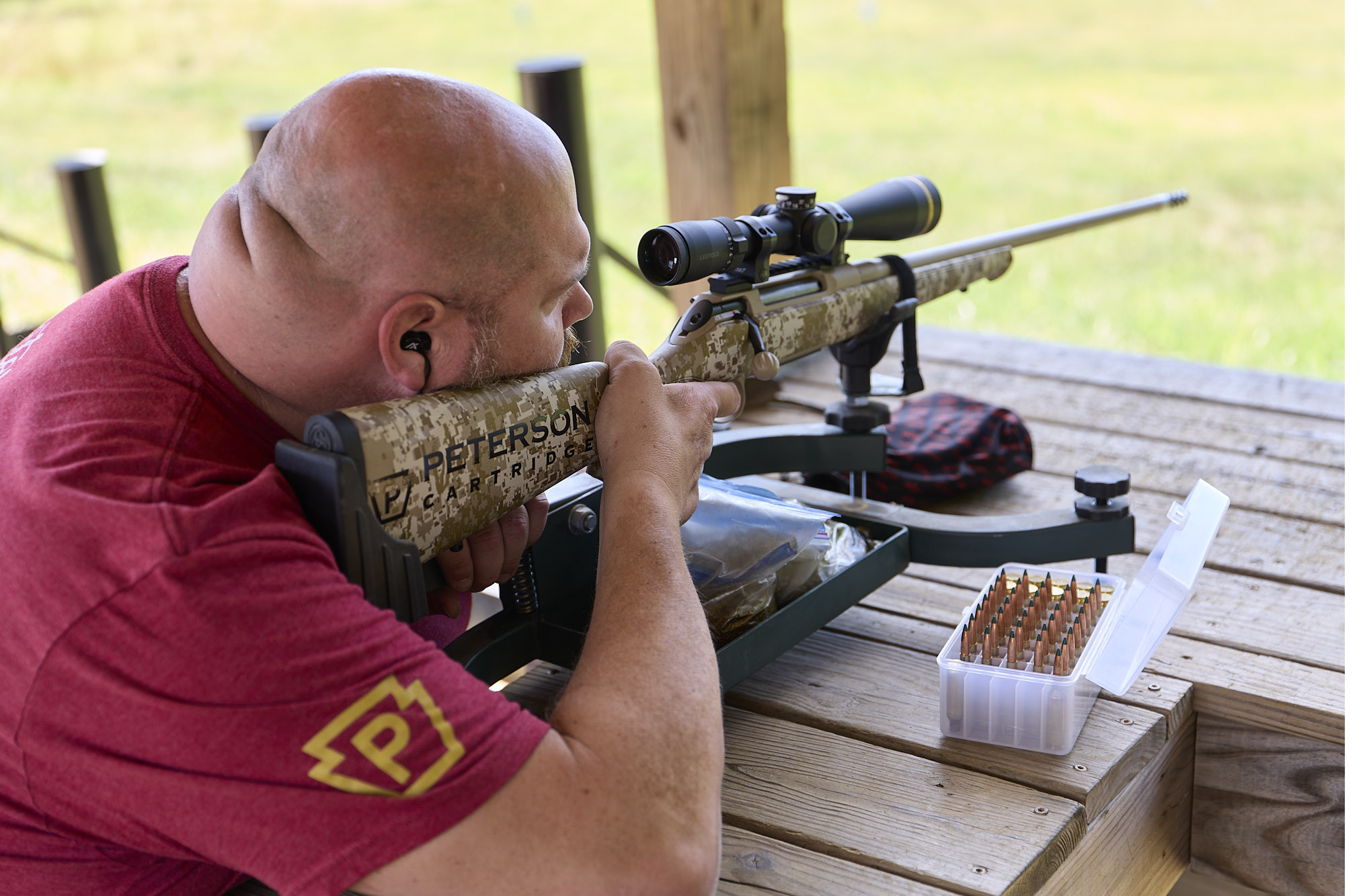
The opportunity to eliminate the variables that can lead to inaccurate or imprecise ammunition is what gives handloaded rounds an advantage over factory loaded ammunition. When handloading you are able to experiment with different seating depths, powders, powder charges, bullets, bullet weights, primers, and a host of other factors that can affect how a load performs out of your specific rifle.
Working up and testing out different loads for your rifle will also give a much better understanding of how it performs. You will gain valuable insights into how it shoots in different temperatures. You will have an understanding of what happens to your point of impact after the barrel heats up. Want to know how a 145gr bullet shoots versus 129gr pill in 12mph winds? Load some up and head to the range under those conditions. What you can learn about your rifle and the load you choose to shoot out of it is only limited by the time and effort you want to put into it. If your reason for hunting is to soak up all of the experiences that make up a hunt, it doesn’t get much more personal and authentic than this.
So, how does handloading help the people looking to provide food for their families? Imagine you’re in the situation I described at the beginning of this article. It doesn’t even need to be a scenario that exotic. Imagine you’re on a ridge in an eastern hardwood forest and you’re ready to take down the whitetail doe that’s going to feed your wife and children for the next three months. If I were in that situation and I lost that opportunity because I chose to use inferior equipment, I’d be devastated. I would want to know that I had done everything I possibly could to give myself the best chance of being successful.
I don’t have the time or the equipment or the knowledge to load my own ammunition.
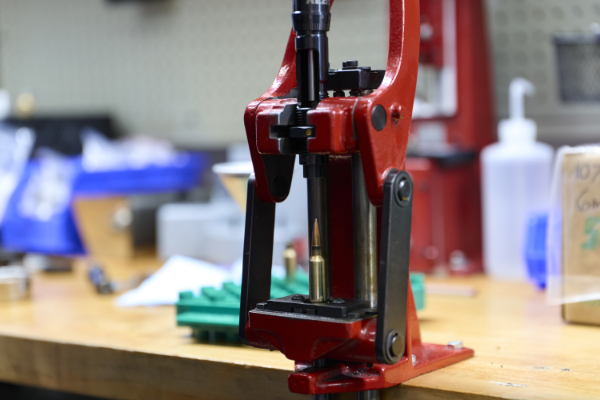
If it’s a knowledge objection but you want to learn, that’s an easy fix. There are very reputable companies and handloaders that hold classes, produce YouTube videos, or write articles and books that will teach you how. If this is something that interests you, but you don’t know where to start, reach out to us here at Peterson Cartridge and we can point you in the right direction.
If your aversion is due to time, equipment, or simply not wanting to learn how to do it, but you still want the benefit of handloaded ammunition, the next best option to loading it yourself is to order your ammunition from a reputable handloader. It won’t provide you with the experience you get from loading yourself, but it will give you more consistently accurate and precise ammunition than what is commercially available on most store shelves. There are a number of these loaders who even offer custom load services. You send them your rifle, and they then work up a load that performs the best for you. They keep it on record, and you can call in and reorder the same load when you need more. Some will even reload the same brass if you send it back to them. Again, if this option interests you, reach out to us and we can put you in contact with a loader who meets your specific needs.
The Bottom Line
At the end of the day, it comes down to how much you want to get out of the hunt. For me, factory ammo will work. But “just good enough” doesn’t cut it when I’m standing in the fog with a bull in my sights. Hunting isn’t about convenience; it’s about respect—for the animal, for the land, and for the experience.
Yes, I’ve missed shots. Every hunter has. Ammunition can’t fix bad form. But with custom handloads, I know I’ve done everything in my power to honor the moment, to make the shot clean, precise, and humane. Because when you pull that trigger, it’s not just a test of skill. It’s the culmination of preparation, patience, and respect. And you owe it to the hunt—and to yourself—not to hear another “click.”
Good luck, and happy hunting!
Now that I work for a brass casing manufacturer, I tell this story often. Not because it sells casings—though it does—but because it illustrates why handloads aren’t just about precision, they’re about trust. At trade shows or competitions, I often hear the same argument: handloading matters for match shooters chasing points, but for hunting, when your target is the size of an elk’s vitals, factory ammo is “good enough.” I respect the opinion, but after standing in the fog of British Columbia with a dead trigger under my finger, I couldn’t disagree more. Before discussing why you should handload for your hunt I think it’s important to look at the reasons people hunt. I would contend there are two basic motivations a person has when they decide to go hunting.
Reason #1: Putting food on the table and meat in the freezer.
This is the oldest and most basic purpose of hunting. It is what drove humanity out of the cave and allowed us to grow and evolve as a species. A phrase often heard in any discussion about the validity of hunting in modern society is, “The history of the hunter is the history of mankind”. The assertion being that hunting is fundamental to our development and has been at the center of our culture for nearly all of human existence. Anti-hunters argue that in today’s world hunting is archaic and unnecessary, even cruel. Why take the life of some poor woodland creature when you can go to the grocery store or order your next meal from the drive-thru? This argument almost always turns into a shouting match over the perceived moral right or wrong of killing an animal. What it needs to be about is a discussion of organic versus commercially farmed. Hormone free versus added preservatives. Nutrition versus convenience.
Reason #2: The Traditions and Experience of Hunting
To hunt and be a part of the traditions of the hunt is a primal feeling. It is a connection to an earlier version of our kind. Anti-hunters will say it’s cruel and outdated, but for some, myself included, it is a defining characteristic of who we are. I could not imagine a life where I didn’t travel to wild places in search of adventure. And it’s not the killing that I seek, it’s all the things I do that allow me to have that opportunity. Fred Bear said it best, “A hunt based only on trophies taken falls far short of what the ultimate goal should be”. In other words, it’s the journey, not the destination. I don’t disagree with Fred Bear. I mean it’s Fred Bear. But, the goal of any hunt is to successfully harvest an animal. No hunter looks at his gun and heavy pack and thinks to himself, “This cold, rainy 36° day is the perfect time to go for a seven-mile hike in the mountains”. However, how you achieve that goal matters. How you prepare, how you practice, how you treat your equipment. All these things contribute to the overall experience of the hunt and how you will view it once it is done.
How Does Handloading Factor Into These Goals?
I want to start this section by talking about accuracy and precision. These are two words used often and almost interchangeably when discussing ammunition and how a rifle shoots. But there is a difference in their meanings. Accuracy refers to how close each of your shots are to your target. Precision is a measurement of how close each of your shots are to your other shots. A shot group can be accurate but not precise, precise but not accurate, neither accurate nor precise, or both accurate and precise. What competition shooters strive for, and what serious hunters should want as well, are groups that are consistently accurate and precise. If you can achieve this, it should give you confidence in your equipment when the moment of truth presents itself.
The opportunity to eliminate the variables that can lead to inaccurate or imprecise ammunition is what gives handloaded rounds an advantage over factory loaded ammunition. When handloading you are able to experiment with different seating depths, powders, powder charges, bullets, bullet weights, primers, and a host of other factors that can affect how a load performs out of your specific rifle.
Working up and testing out different loads for your rifle will also give a much better understanding of how it performs. You will gain valuable insights into how it shoots in different temperatures. You will have an understanding of what happens to your point of impact after the barrel heats up. Want to know how a 145gr bullet shoots versus 129gr pill in 12mph winds? Load some up and head to the range under those conditions. What you can learn about your rifle and the load you choose to shoot out of it is only limited by the time and effort you want to put into it. If your reason for hunting is to soak up all of the experiences that make up a hunt, it doesn’t get much more personal and authentic than this.
So, how does handloading help the people looking to provide food for their families? Imagine you’re in the situation I described at the beginning of this article. It doesn’t even need to be a scenario that exotic. Imagine you’re on a ridge in an eastern hardwood forest and you’re ready to take down the whitetail doe that’s going to feed your wife and children for the next three months. If I were in that situation and I lost that opportunity because I chose to use inferior equipment, I’d be devastated. I would want to know that I had done everything I possibly could to give myself the best chance of being successful.
I don’t have the time or the equipment or the knowledge to load my own ammunition.
If it’s a knowledge objection but you want to learn, that’s an easy fix. There are very reputable companies and handloaders that hold classes, produce YouTube videos, or write articles and books that will teach you how. If this is something that interests you, but you don’t know where to start, reach out to us here at Peterson Cartridge and we can point you in the right direction.
If your aversion is due to time, equipment, or simply not wanting to learn how to do it, but you still want the benefit of handloaded ammunition, the next best option to loading it yourself is to order your ammunition from a reputable handloader. It won’t provide you with the experience you get from loading yourself, but it will give you more consistently accurate and precise ammunition than what is commercially available on most store shelves. There are a number of these loaders who even offer custom load services. You send them your rifle, and they then work up a load that performs the best for you. They keep it on record, and you can call in and reorder the same load when you need more. Some will even reload the same brass if you send it back to them. Again, if this option interests you, reach out to us and we can put you in contact with a loader who meets your specific needs.
The Bottom Line
At the end of the day, it comes down to how much you want to get out of the hunt. For me, factory ammo will work. But “just good enough” doesn’t cut it when I’m standing in the fog with a bull in my sights. Hunting isn’t about convenience; it’s about respect—for the animal, for the land, and for the experience.
Yes, I’ve missed shots. Every hunter has. Ammunition can’t fix bad form. But with custom handloads, I know I’ve done everything in my power to honor the moment, to make the shot clean, precise, and humane. Because when you pull that trigger, it’s not just a test of skill. It’s the culmination of preparation, patience, and respect. And you owe it to the hunt—and to yourself—not to hear another “click.”
Good luck, and happy hunting!
By entering this website, you certify that you are 18 years of age or older.